
Understanding Adenoid Enlargement
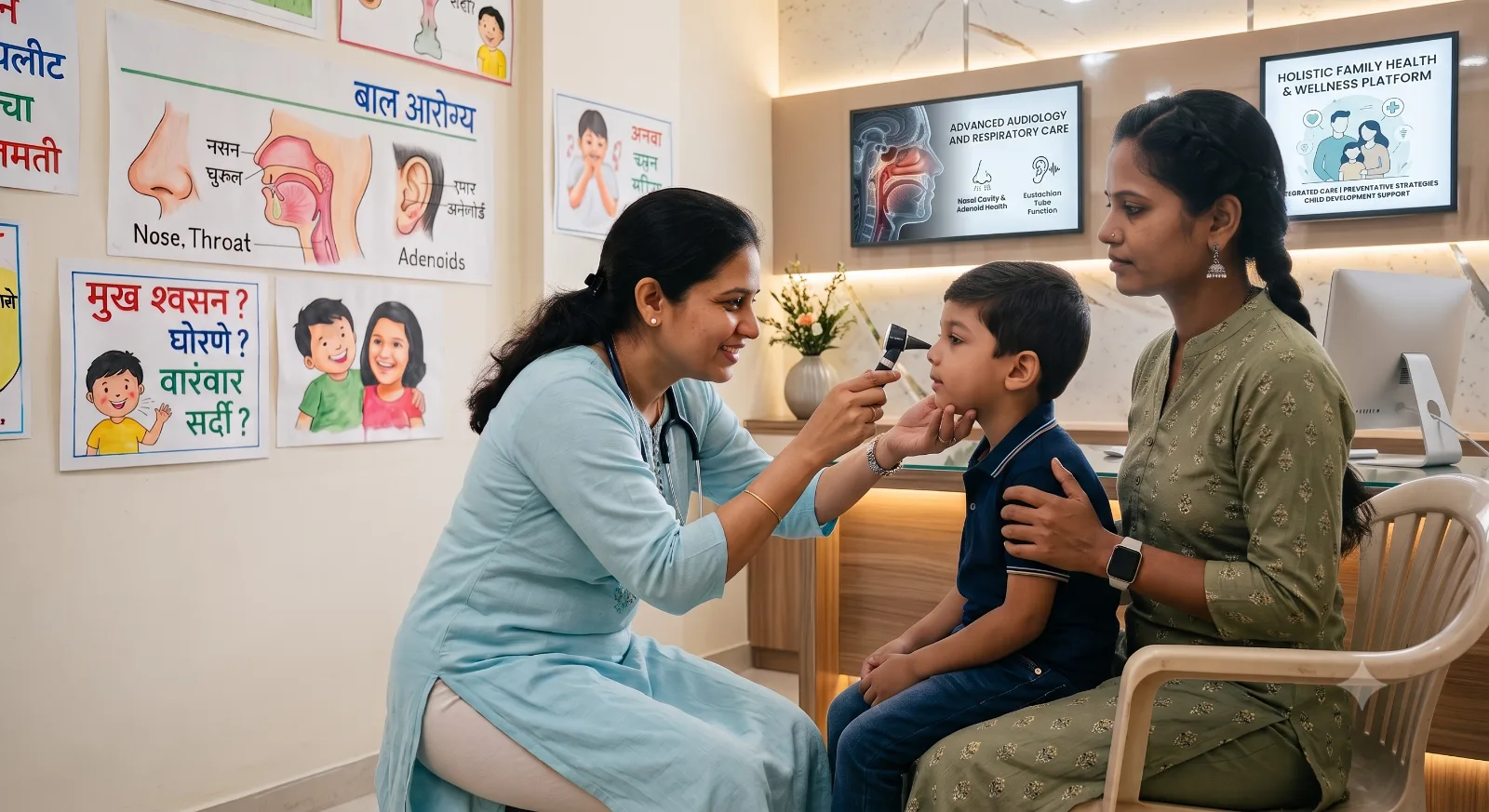
As a parent, few things are as worrying as watching your child struggle to breathe comfortably, especially during sleep. Many children who snore loudly, breathe through their mouth, or keep suffering from repeated colds are often treated for infections again and again without identifying the actual cause.
One of the most common reasons behind these symptoms is enlarged adenoids, also known as adenoid hypertrophy.
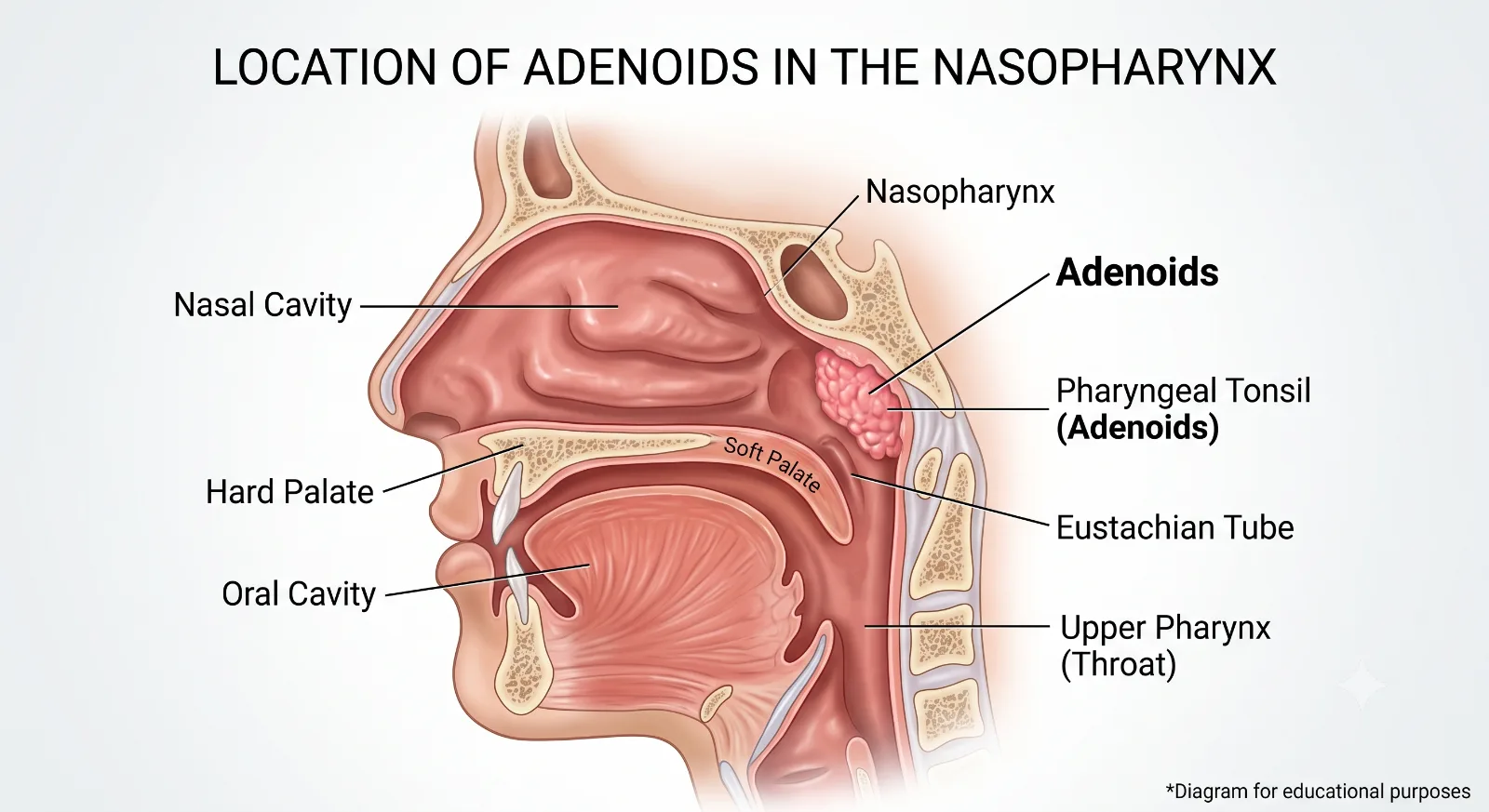
At Caitanya Healing by Homeopathy, Vasai-Virar, we frequently meet parents who have been concerned about their child's recurrent cough, cold, blocked nose, poor sleep, or repeated antibiotic courses, only to discover that enlarged adenoids are the underlying problem.
The encouraging part is that when diagnosed early and managed appropriately, many children experience significant improvement, helping them breathe better, sleep peacefully, and reduce the frequency of infections.
What Are Adenoids?
Adenoids are small patches of lymphoid tissue situated behind the nose, high in the back of the throat (nasopharynx). They are part of the body's immune system and act as one of the first lines of defence against germs entering through the nose and mouth.
During early childhood, adenoids help trap bacteria and viruses before they enter deeper into the respiratory system. As children grow, their immune system matures and the role of the adenoids gradually becomes less important. They usually begin shrinking between 5 and 7 years of age and often become very small by adolescence.
Having adenoids is completely normal. Problems arise only when they become persistently enlarged.
Why Do Adenoids Become Enlarged?
Since adenoids are involved in fighting infections, they naturally swell during illness. Normally, they return to their original size after recovery.
However, in some children, they remain enlarged due to continuous inflammation.
Common causes include:
- Recurrent viral infections
- Frequent throat infections
- Repeated sinus infections
- Allergic rhinitis
- Dust allergy
- Environmental pollution
- Exposure to cigarette smoke
- Family tendency towards allergies
- Constitutional predisposition to lymphoid overgrowth
Children living in urban environments, including the Vasai-Virar and Mumbai region, are often exposed to pollution, dust, seasonal allergens, and frequent viral infections, all of which may contribute to persistent inflammation.
How Can Parents Recognize Enlarged Adenoids?
Children rarely complain that their nose is blocked because they slowly become accustomed to breathing through their mouth. Instead, they develop certain habits that parents should notice.
Some of the most common symptoms include:
- Persistent mouth breathing
- Loud snoring almost every night
- Restless sleep
- Frequent awakening during sleep
- Sleeping with the mouth open

- Blocked nose despite little mucus
- Recurrent cough and cold
- Frequent throat infections
- Nasal-sounding voice
- Difficulty hearing
- Recurrent ear infections
- Bad breath
- Poor concentration
- Daytime sleepiness
- Irritability due to disturbed sleep
When several of these symptoms occur together, enlarged adenoids should be considered.
Signs Parents Commonly Miss
Many parents assume their child simply snores naturally or has weak immunity.
Look carefully for these subtle warning signs:
- Sweating excessively during sleep
- Constant change in sleeping position
- Pauses in breathing while asleep
- Poor appetite
- Slow weight gain
- Morning tiredness
- Reduced attention span
- Frequent mouth dryness
- Difficulty participating actively at school
Poor-quality sleep can gradually affect a child's growth, learning, behaviour, and immunity.
What Is an "Adenoid Face"?
When mouth breathing continues for months or years, it can influence the way a child's face develops.
Doctors sometimes describe this appearance as adenoid facies, which may include:
- A slightly elongated face
- Open-mouth posture
- Dull facial expression
- High-arched palate
- Crowded teeth
- Narrow dental arch
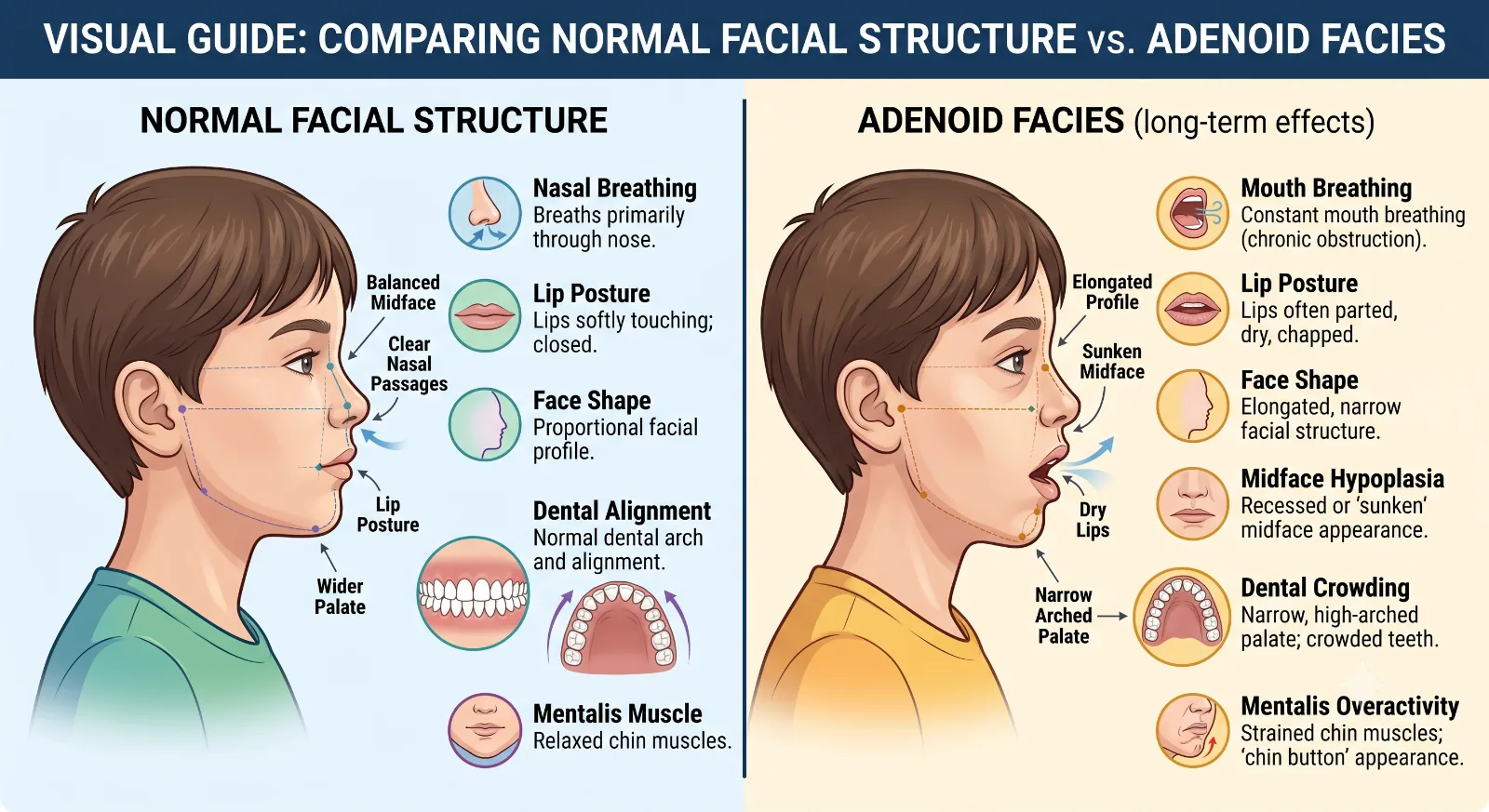
Early identification and management may help prevent progression of these changes.
What Happens If Enlarged Adenoids Are Ignored?
Persistent enlargement should not be dismissed as "just another cold."
Untreated adenoids may lead to:
Recurrent Ear Infections
Enlarged adenoids may block the Eustachian tube, causing fluid collection behind the eardrum, repeated ear infections, and temporary hearing loss.
Chronic Nasal Blockage
Children become habitual mouth breathers, affecting normal nasal function.
Sleep Disturbance
Poor sleep quality may result in daytime tiredness, poor memory, irritability, and difficulty concentrating.
Sleep Apnea
Some children briefly stop breathing during sleep, a condition that requires prompt medical evaluation.
Recurrent Sinus Problems
Blocked nasal passages increase the likelihood of chronic sinus infections.
Facial and Dental Changes
Long-standing mouth breathing may influence facial growth and dental alignment.
Early diagnosis allows timely treatment before complications become significant.
How Are Adenoids Diagnosed?
Doctors usually diagnose enlarged adenoids through:
- Detailed medical history
- Physical examination
- ENT consultation
- Nasal endoscopy when required
- X-ray of the nasopharynx in selected cases
- Hearing assessment if ear symptoms are present
Not every child requires every investigation. The evaluation depends on individual symptoms.
Modern Medical Treatment for Enlarged Adenoids
Management depends on the severity of symptoms.
Your doctor may recommend:
Observation
Children with mild enrichment and minimal symptoms may simply be monitored.
Medical Treatment
Depending upon the child's condition, treatment may include:
- Saline nasal irrigation
- Nasal steroid sprays
- Allergy management
- Antibiotics when bacterial infection is confirmed
Adenoid Surgery (Adenoidectomy)
Surgery may be advised when there is:
- Severe airway obstruction
- Significant sleep apnea
- Recurrent middle ear infections with hearing impairment
- Persistent symptoms despite appropriate treatment
- Complications affecting quality of life
The decision is always individualized and should be taken after assessment by an ENT specialist.
The Homeopathic Perspective at Caitanya Healing
At Caitanya Healing by Homeopathy, we look beyond the enlarged tissue itself.
From our perspective, enlarged adenoids often reflect a child whose immune system is repeatedly reacting to infections or allergens. Rather than focusing only on the enlarged organ, our aim is to understand why the inflammation continues.
Our individualized homeopathic approach seeks to:
- Support healthy immune regulation
- Reduce the tendency toward recurrent respiratory infections
- Help control chronic inflammation
- Improve nasal breathing
- Reduce the frequency of coughs, colds, and throat infections
- Improve sleep quality and overall well-being
Homeopathy does not physically remove enlarged adenoid tissue overnight, nor is it a replacement for emergency or surgical care when clearly indicated. However, in appropriately selected cases, many children may experience improvement in symptoms and a reduction in recurrent infections with individualized homeopathic care.
Our Individualized Approach
No two children are alike, and neither should their treatment be.
Every consultation at our clinic includes understanding:
- Pregnancy and birth history
- Growth and developmental milestones
- Sleep habits
- Eating patterns
- Frequency of infections
- Allergy history
- Family history
- Emotional temperament
- Environmental triggers
- General immunity
This comprehensive assessment allows us to prescribe individualized homeopathic medicines rather than treating only the diagnosis.
Our goal is to improve the child's overall health while reducing recurrent illness and supporting healthy development.
Lifestyle and Supportive Care
Medicines alone are often not enough. Parents can support their child's recovery through simple lifestyle measures.
Healthy Nutrition
Some children appear to experience increased congestion with excessive refined sugars, processed foods, and cold dairy products. While responses vary, encouraging balanced, freshly prepared meals, seasonal fruits, vegetables, and adequate hydration supports overall health.
Reduce Environmental Triggers
If allergies contribute to symptoms:
- Keep bedrooms free from dust accumulation.
- Wash bedding regularly.
- Maintain good ventilation.
- Avoid exposure to cigarette smoke.
- Consider an air purifier in highly polluted environments if appropriate.
Saline Nasal Care
Saline nasal drops or irrigation, when advised by your doctor, may help clear allergens and mucus from the nasal passages.
FAQs: Frequently Asked Questions
| Question | Answer |
|---|---|
| Will enlarged adenoids disappear with age? | Many children experience natural shrinkage of the adenoids during adolescence. However, children with significant symptoms should not simply wait if breathing, sleep, or hearing is affected. |
| Can enlarged adenoids affect hearing? | Yes. They may block the Eustachian tube, causing fluid accumulation behind the eardrum and temporary hearing problems. |
| Is every child with snoring suffering from enlarged adenoids? | No. Snoring may also result from enlarged tonsils, obesity, allergies, or other sleep disorders. Proper medical evaluation is essential. |
| Can allergies worsen enlarged adenoids? | Yes. Persistent allergic inflammation can contribute to enlargement and chronic nasal blockage. |
| When should parents seek medical advice? | Consult your doctor if your child has persistent mouth breathing, loud nightly snoring, pauses in breathing during sleep, recurrent ear infections, hearing difficulty, frequent throat infections, or a constant blocked nose. |
Why Parents Trust Caitanya Healing by Homeopathy
For over 15 years, our clinic has cared for children with recurrent respiratory illnesses, allergies, and immune-related conditions.
Parents choose us because we focus on:
- Detailed child evaluation
- Individualized homeopathic treatment
- Holistic assessment beyond the diagnosis
- Long-term management of recurrent infections
- Lifestyle and nutritional guidance
- Regular monitoring and follow-up
Our objective is to help children breathe comfortably, sleep better, reduce the frequency of infections, and support healthy growth and development while preserving normal body function whenever clinically appropriate.
Every child is unique, and treatment outcomes vary. We work alongside paediatricians and ENT specialists whenever necessary to ensure the best interests of the child.
Book an Appointment
Book an appointment today and let us help your child breathe, sleep, and grow better. Our team at Caitanya Healing is ready to support your child's journey to wellness.
Message the clinic directly — we usually reply the same day.
Ask us on WhatsApp