
Autoimmune & chronic inflammatory conditions
When your immune system starts reacting against your own body
Rheumatoid arthritis. Lupus. Hashimoto’s. Psoriasis. Vitiligo. Psoriatic arthritis.
Different diagnoses and symptoms—but the diagnosis is only the beginning. Your individual story matters too.
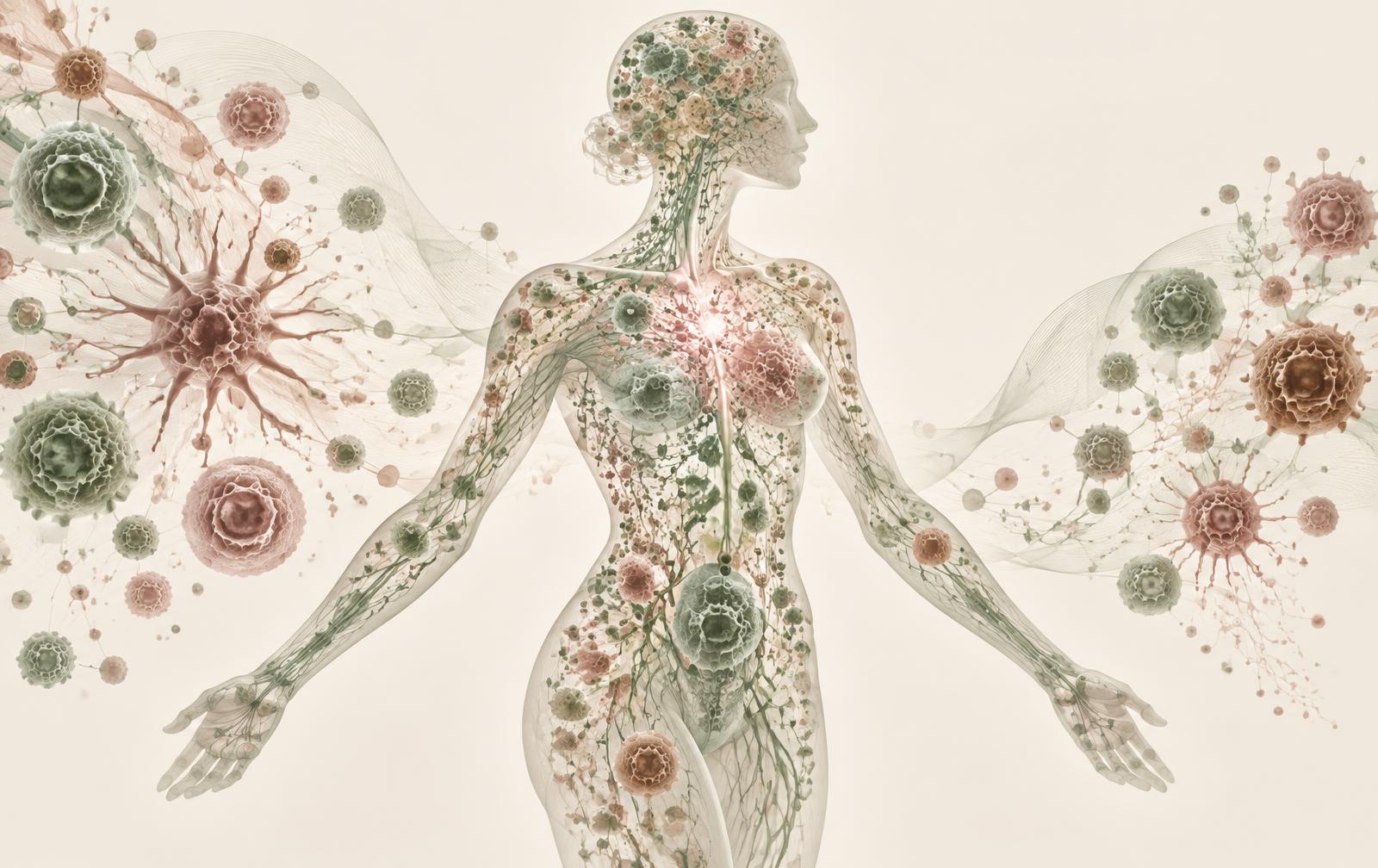
Beyond the report
You have a diagnosis. But do you understand your disease?
Your reports may show autoimmune disease, positive antibodies or the need for long-term monitoring. You may still wonder why it appeared now, why it keeps flaring, and why your experience differs from someone else’s.
That is where our consultation begins.
“Why did my immune system become disturbed?”
“What happens before each flare?”
“What can we measure over time?”
The immune mechanism
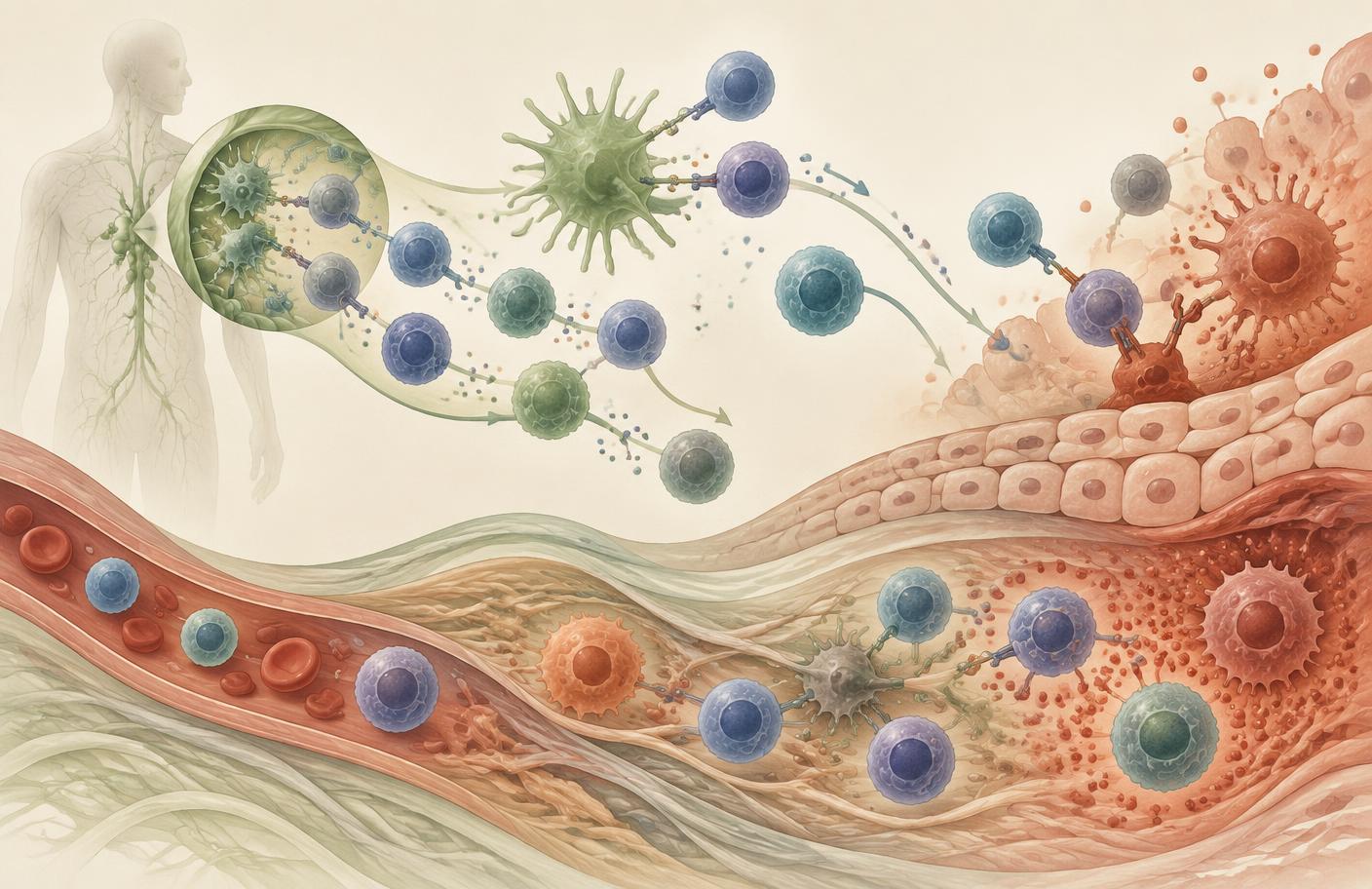
What actually happens in an autoimmune disease?
Your immune system is designed to recognise and defend against things that can harm you. In autoimmune disease, immune tolerance is disturbed and the immune system can react against the body’s own tissues.
This may involve joints, skin, thyroid tissue, intestines, connective tissue or other organs. Modern immunology recognises complex interactions between genetic susceptibility, immune regulation and environmental factors.
Your timeline
The trigger may not tell the whole story
An infection, prolonged stress, hormonal change, digestive problem, disturbed sleep, medication exposure or significant life event may have preceded the illness. We do not assume any one factor caused it. We map what changed, what came first, and what now happens before and between flares.

Individual assessment
The diagnosis is not the whole case
Two people can have rheumatoid arthritis while their stiffness, swelling, fatigue, digestion, sleep and flare pattern differ completely. Appropriate disease-modifying treatment can reduce inflammation and help prevent damage; alongside it, understanding the whole clinical picture can add value.
Disease history
When did it begin, and how has it progressed?
Symptom pattern
What makes symptoms better or worse?
Associated symptoms
Skin, digestive, hormonal, respiratory, sleep and other systems.
Family history
Autoimmune and chronic disease patterns in the family.
Previous treatment
Steroids, DMARDs, biologics, thyroid medicines and other treatments.
Investigations
Relevant antibodies, inflammatory markers, blood counts and imaging.
Lifestyle
Sleep, nutrition, physical activity, stress and recovery.
Individual pattern
The broader pattern used in homeopathic case analysis.
We build the plan around the person, not only the diagnosis.
A measured framework
Our approach to chronic autoimmune conditions
Disease duration, severity, organ involvement, structural damage, medication history and individual response all influence the course. These are clinical phases, not guaranteed timelines.
- Phase 1
Understand
Usually the first 2–3 months
Understand the disease, history, previous treatment and possible maintaining factors.
- Phase 2
Stabilise
Approximately 3–6 months
Track symptoms, sleep, energy, inflammation and functional capacity.
- Phase 3
Transform
Where clinically possible
Work towards fewer flares, better function and improved quality of life.
- Phase 4
Sustain
Long term
Maintain improvements through monitoring, lifestyle and appropriate medical care.
Your existing medical treatment still matters
If you take steroids, DMARDs, biologics, thyroid replacement, immunosuppressants or other prescribed medicines, do not stop them on your own.
Our approach is intended to work alongside appropriate medical care and specialist monitoring. If treatment is reduced, that decision belongs to the doctor managing that medication, based on your condition and investigations.
Untreated autoimmune inflammation can sometimes cause irreversible joint or organ damage. Appropriate specialist care remains essential.
Conditions we commonly see
Different organs. Different expressions.
Joint conditions
Rheumatoid arthritis, psoriatic arthritis, ankylosing spondylitis
Thyroid conditions
Hashimoto’s thyroiditis, Graves’ disease
Connective tissue
Systemic lupus erythematosus and related disorders
Skin & hair
Psoriasis, vitiligo, alopecia areata
Gastrointestinal
Ulcerative colitis and Crohn’s disease
If your diagnosis is not listed here, it does not necessarily mean we cannot assess your case.
How we function as a clinic
Four pillars of whole-person care
We do not manage chronic disease through one therapy alone. Our clinical approach brings together four connected pillars, adapted to the diagnosis, current treatment, health history and everyday life of each person.
Medicine
Individualised homeopathic care integrated responsibly with prescribed medicines and specialist supervision.
Diet
Practical nutrition guidance shaped around the condition, nutritional needs, digestion and daily routine.
Lifestyle
Attention to sleep, stress, recovery, habits and the factors that can influence symptoms and flares.
Exercise
Appropriate movement planned around pain, fatigue, mobility, disease activity and functional capacity.
These pillars work together. The plan is reviewed through symptoms, function, investigations and quality of life—not through assumptions or one-size-fits-all protocols.
Meaningful progress
The goal is not simply to reduce today’s symptoms
Meaningful improvement differs from person to person. We monitor symptoms, function, sleep, energy, flare frequency, relevant investigations and quality of life over time.
Fewer
flares
Better
function
Better
quality of life
Long-term
stability
We do not ask you to believe. We ask you to observe.
A closer look
When a detailed assessment may help
- You have a chronic autoimmune diagnosis and want a detailed individual assessment.
- Your symptoms fluctuate or repeatedly flare.
- You have symptoms across different body systems.
- You want to understand your health pattern beyond a single diagnosis.
- You want supportive individualised care alongside appropriate conventional treatment.
- You want progress to be monitored objectively over time.
Your diagnosis matters. Your individual story matters too.
Discuss your case with us
We take time to understand your history, symptoms, treatment journey and individual pattern. We do not promise instant cures; we build a plan, monitor the response and adjust as your health changes.
Consult with Dr. Shailesh Yadav
This page is for educational purposes and does not replace diagnosis or treatment by a qualified medical professional. Do not stop prescribed medicines without discussing this with your treating doctor. Autoimmune diseases may require ongoing specialist monitoring.