
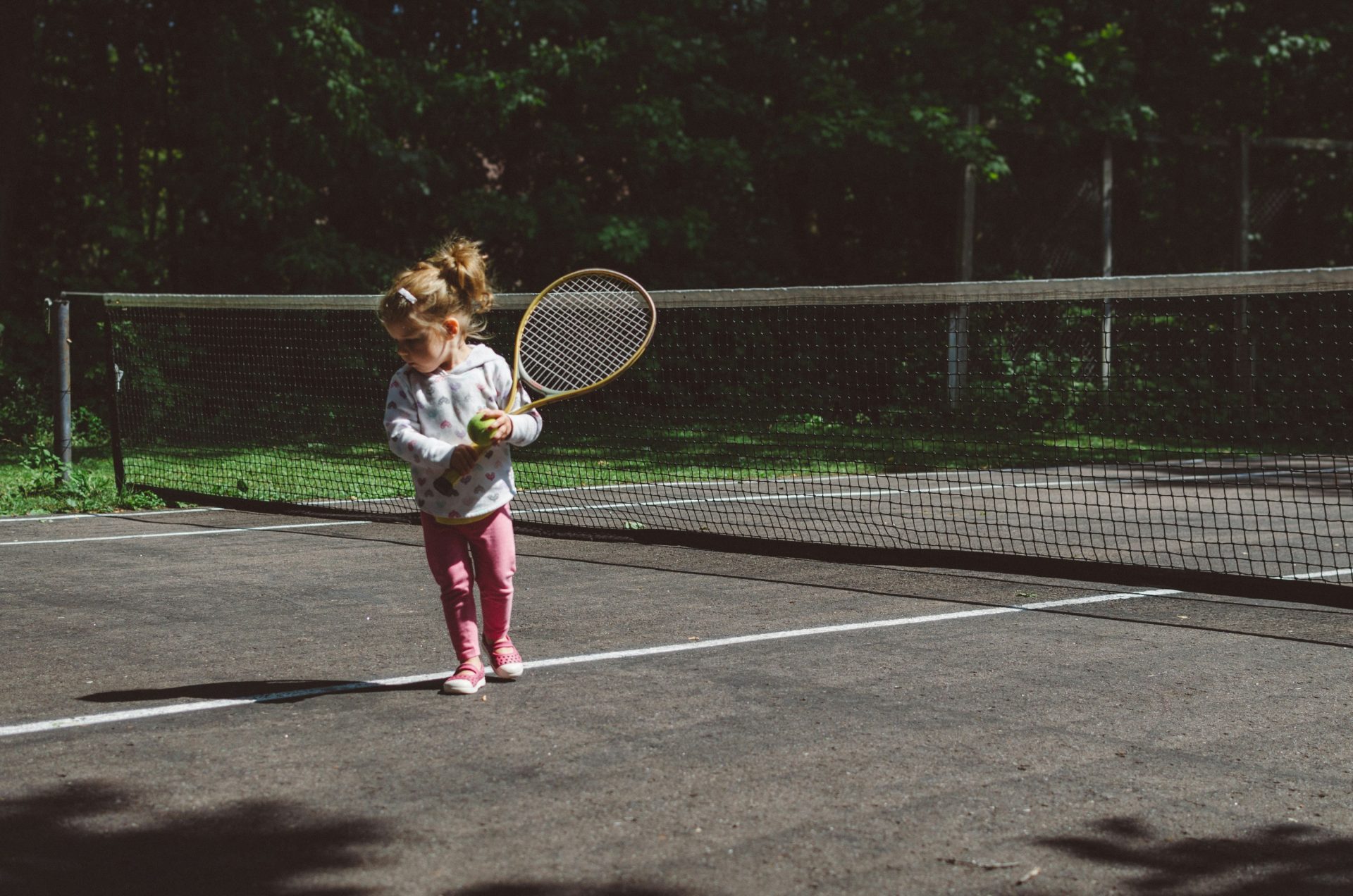
Exercise Is Medicine for Growing Bodies
If there were a pill that could boost your child’s immunity, improve their mood, strengthen their body, and protect them from future diseases, would you give it to them? Now, imagine that pill doesn’t exist. But the power it promises? Already in your home. It’s called movement.
And I don’t just mean workouts or gym routines. I’m talking about everyday, joyful, purpose-driven movement, the kind that gets the heart pumping, lungs expanding, and face smiling.
Whether your child is managing asthma, allergies, diabetes, weak immunity, chronic inflammation, or struggles with weight, movement can play a central role in healing. It’s not just “extra” for fitness. It’s your child’s built-in, natural medicine, designed to repair the body, sharpen the mind, and lift their overall wellbeing from the inside out.
Why Movement Heals
Movement does far more than burn calories. It:
- Activates immune cells that fight infections
- Balances inflammation in the body
- Improves sleep and digestion
- Regulates hormone function
- Builds resilience and self-confidence
- Reduces anxiety and stress levels
From toddlers to teens, regular physical activity strengthens the immune system, helps regulate blood sugar levels, improves lung capacity, and reduces chronic inflammation, factors that are at the root of many childhood illnesses today.
How Exercise Helps in Common Childhood Conditions
- Asthma
Gentle, structured movement can improve breathing and lung capacity.
- Swimming encourages breath control in a moist environment.
- Yoga relaxes airways and reduces anxiety-driven flare-ups.
- Walking or cycling builds stamina without overloading the lungs.
Start slowly, follow your doctor’s advice, and let your child build confidence step by step.
- Allergies & Low Immunity
Movement boosts circulation, stimulates lymph flow, and activates immune defenses.
- Outdoor walks (during low-pollen times) expose children to healthy microbes.
- Play-based activities like tag, dancing, or jumping keep the immune system sharp.
Over time, regular activity can reduce both the frequency and severity of flare-ups.
- Obesity
For children struggling with weight, the focus should be on fun, not fat loss.
- Try family hikes, dance-offs, or nature scavenger hunts.
- Swimming, cycling, and martial arts can be empowering and enjoyable.
Movement boosts metabolism, improves insulin sensitivity, and builds body confidence.
- Type 1 & Type 2 Diabetes
Exercise works like a natural insulin booster.
- Aim for 60 minutes of movement daily; it can be split into smaller chunks.
- Include interval games, brisk walks, or structured sports.
- If your child uses insulin, monitor blood sugar after activity.
Here, consistency matters more than intensity.
- Chronic Inflammation or Autoimmune Conditions
For children with juvenile arthritis, eczema, thyroid conditions, or general inflammation:
- Choose low-impact options like walking, stretching, tai chi, or aqua aerobics.
- Support with good rest, an anti-inflammatory diet, and pacing.
Regular movement helps joints stay flexible, lowers stress hormones, and aids natural detox.
The Right “Dose” of Movement
Like medicine, movement works best with the right prescription:
- Type: Moderate activity
- Duration: 60 minutes a day (can be split into 10–15 minute sessions)
- Strength-based activities: 2–3 times a week
It should feel safe, joyful, and sustainable—not a chore.
Age-Appropriate Healing Movement
- Under 5 years: Free play, nature walks, crawling, climbing
- 5–12 years: Sports, swimming, dance, martial arts, active games
- 13+ years: Gym training, running, hiking, cycling, yoga
Your Role as a Parent
Your child doesn’t need a fancy gym membership; they need you.
Do:
- Join them for a walk, dance, or stretch together
- Make a daily habit, not an occasional effort
- Celebrate consistency, not perfection
- Use movement to boost mood and energy, not as punishment
Don’t:
- Compare them to other kids
- Focus only on weight or appearance
- Ignore signs of fatigue, pain, or breathing difficulty
- Turn activity into a stressful obligation
Simple Ways to Add Movement to Daily Life
- Walk to the shop or school instead of driving
- Make a “movement jar” with fun tasks, jump, balance, crawl
- End the day with a family walk
- Turn chores into active play, sweeping, gardening, or mopping together
- Set hourly stretch or activity breaks during screen time
Final Thought
The best medicine for your child doesn’t come from a pharmacy. It comes from a playground, a walk in the park, a dance in the living room. Start small, start today, because the body remembers every joyful step.


Write a Comment