Category: GIT

Childhood Acid Reflux: Causes, Symptoms & Natural Relief

Does your baby keep spitting up after feeding? Or is your older child constantly complaining of “burning” in the chest or sour burps in the mouth?

You’re not alone.

Gastroesophageal reflux (GER), commonly called reflux or acid reflux, is one of the most frequent reasons parents visit pediatricians and even get referred to pediatric gastroenterologists. But before you jump to medicines or panic about the diagnosis, let’s pause, understand the why behind it, and explore how gentle, natural, and holistic approaches — including homeopathy — can make a meaningful difference.

What Exactly Is Reflux (GER) and When Does It Become GERD?

Reflux happens when contents from the stomach move back up into the food pipe (esophagus). This can happen with or without vomiting and is common, especially in infants. In fact, spitting up can be entirely normal up to 6 months of age — a part of their developing gut function.

However, if reflux comes with troublesome symptoms — like persistent irritability, frequent vomiting, feeding refusal, poor weight gain, or even coughing and wheezing — we may be looking at Gastroesophageal Reflux Disease (GERD).

Symptoms to Watch at Different Ages

In infants, GERD may look like:

  • Repeated spitting or vomiting
  • Arching of the back while feeding
  • Irritability or crying during feeds
  • Poor weight gain
  • Refusal to feed

In older children and teens, it may appear as:

  • Complaints of chest or upper abdominal pain
  • A sour or acidic taste in the mouth
  • Nausea
  • Difficulty swallowing
  • A feeling of food “stuck” in the throat

Why Does Reflux Happen?

In babies, the muscle valve at the base of the esophagus (lower esophageal sphincter) is still maturing. That’s why reflux is common early on.

In older children, other culprits like trigger foods (chocolates, spicy food, aerated drinks), certain medications, obesity, or even stress may play a role.

And occasionally, anatomical or systemic issues may underlie persistent symptoms, which is why a good clinical history and examination are vital.

Modern Medicine’s Current Approach

Based on 2018 pediatric GI guidelines from North America and Europe, there’s a clear shift:

Less medicine. More lifestyle and dietary modification first.

For infants:

  • Trial of hypoallergenic formula (or maternal elimination diet for breastfed babies)
  • Smaller, more frequent feeds
  • Proper positioning during and after feeding
  • Thickening of the formula in selected cases

For children:

  • Identifying and avoiding trigger foods
  • Limiting acid-suppressive medications to only when necessary
  • Short, monitored trial (4–8 weeks) of medication if lifestyle changes don’t help

But Here’s the Deeper Question: WHY Is Your Child’s System So Sensitive in the First Place?

As a holistic pediatrician, this is the question I ask every parent, not just what to suppress, but why the body is reacting in this way.

Reflux is often a sign of gut imbalance, inflammation, emotional stress, or developmental immaturity of the digestive tract.

The Holistic + Homeopathic Way: A Personalized Healing Plan

In my clinic, we take a layered and comprehensive approach to healing reflux, integrating:

A Gentle, Whole-Child Approach with Homeopathy

In homeopathy, we don’t just look at reflux as a digestive issue — we see it as a signal from the child’s entire system. The constitutional approach considers your child’s unique physical symptoms, temperament, sensitivities, and developmental history to find a remedy that supports their healing process. It’s not about suppressing symptoms; it’s about helping your child’s body restore balance naturally, leading to lasting relief and better overall health.

We don’t just suppress symptoms — we work at the root level.

Gut-Healing Diet & Nutrition Support

  • For older kids, we help parents slowly identify reflux-triggering foods and introduce gut-friendly, anti-inflammatory meals.
  • For babies, a mother’s diet (if breastfeeding) can play a big role.
  • Natural options like plant-based digestive enzymes, probiotics, and herbal gut calmers may also be used safely under guidance.

Lifestyle & Feeding Practices

We coach parents on:

  • Proper burping and upright feeding positions
  • Managing feeding intervals and volumes
  • Sleep positioning (like left-side down lying when appropriate)

Mind-Body Connection

Sometimes, reflux in children — especially in older ones — has a strong emotional link. Stress, fear, school anxiety, or even sibling jealousy can manifest as stomach discomfort or “burning.”

We use gentle child counseling tools, EFT tapping, or family emotional work when required, because the gut and brain are deeply connected.

A Real Story That Still Moves Me

I remember treating a 5-month-old baby girl who was constantly vomiting after every feed. Her mother was exhausted. After ruling out red flags and helping her transition to an elimination diet, we started a carefully selected homeopathic remedy tailored to the baby’s unique nature. Within 2 weeks, the vomiting reduced by 70%. In a month, she was feeding peacefully, gaining weight, and smiling more.

That’s the kind of change that reminds me why I do what I do.

So, Should You Worry? Or Wait?

If your child’s reflux is occasional and mild, it’s likely developmental and will pass with time and a little support.

But if it’s affecting feeding, sleep, growth, or your child’s comfort, don’t ignore it. And don’t rush to suppress it either.

Explore what’s underneath.
Heal the gut.
Balance the emotions.
Support the body gently.

I’d love to guide you through this healing journey.
If your baby or child is struggling with reflux, and you’re seeking a natural, scientific, and truly holistic plan, we can work together.

 Book a Gut-Health Consultation
 Download our Free “Tummy Tracker” for Parents (Coming soon!)

Is It IBS? Understanding Irritable Bowel Syndrome in Children

Have you noticed your child complaining of stomach pain that comes and goes, sometimes with constipation, sometimes with loose motions? Do they say they feel better after passing stools? You might wonder, “Is this just something they ate, or something more?” In many such cases, the answer could be Irritable Bowel Syndrome, or IBS.

What Is IBS in Children?

Irritable Bowel Syndrome is a functional gastrointestinal disorder. That means the structure of the digestive tract is normal, but how it works is not. It’s a condition where your child’s gut becomes overly sensitive or reactive, leading to recurring symptoms.

Children with IBS:

  • Complaint of abdominal pain for at least 8 weeks over the past year
  • Often feel better after a bowel movement
  • Experience pain with changes in the form or frequency of stools
  • May have constipation, diarrhea, or both
  • Often describe bloating, mucus in the stool, or urgency to go

IBS is not dangerous, but it can cause significant distress and impact your child’s everyday life, school, play, appetite, and mood.

Why Does It Happen?

IBS is believed to be the result of a miscommunication between the brain and the gut. Factors that contribute include:

  • Sensitive gut nerves reacting to normal digestion as pain
  • Stress or anxiety, which can amplify gut signals
  • Food intolerances, like excess sugar or dairy
  • A history of gut infections
  • Genetic tendency—it may run in families

In simpler terms, your child’s digestive system is like a car alarm that goes off too easily—even a light breeze (a normal meal, a little gas) can trigger it.

How Is IBS Different from Other Conditions?

Unlike inflammatory bowel disease (IBD) or celiac disease, IBS does not involve tissue damage, inflammation, or malabsorption. That’s why blood tests and scans are often normal.

But IBS is real. The pain and discomfort are genuine, and your child needs support, not dismissal.

Red Flags: When It Might Not Be IBS

It’s important to rule out more serious problems. See your doctor if your child also has:

  • Weight loss or poor growth
  • Blood in stool or urine
  • Persistent vomiting
  • Fever, rash, or joint pain
  • Extreme tiredness between episodes
  • Family history of IBD or celiac disease.


How Is IBS Diagnosed?

Diagnosis is usually clinical, based on a detailed history and symptom pattern. There’s no single test for IBS, but your child’s doctor might order:

  • Blood tests (to rule out anemia, infection, and  inflammation)
  • Stool tests (to check for infections or parasites)
  • Ultrasound (to rule out organ issues)

Most tests are done to exclude other causes of abdominal pain.

How Can I Help My Child With IBS?

1. Diet Changes

Some simple dietary changes can work wonders:

  • Increase fiber intake gradually (age in years + 5 grams/day)
  • Avoid fermentable sugars like fructose (fruit juice, soda, chewing gum)
  • Try a short trial of a dairy-free diet if lactose intolerance is suspected
  • Keep a food and symptom diary to identify triggers

2. Manage Stress

School pressure, family changes, or even excitement can trigger symptoms. Helping your child manage stress is a key part of IBS care.

Helpful practices include:

  • Breathing exercises
  • Relaxation techniques
  • Journaling or drawing feelings
  • Regular routines for sleep and meals

Some children may benefit from seeing a pediatric psychologist, especially if they show signs of anxiety or low mood.

Should My Child Stay Home From School?

Only if they’re vomiting or have a fever. Otherwise, school attendance is encouraged. Staying home for too long increases anxiety and worsens symptoms. If needed, the school can offer short rest breaks when pain flares.

The Good News

IBS can feel overwhelming, but with the right care, most children learn to manage it well. Symptoms often reduce significantly over time, especially when there’s understanding, support, and consistent routines at home.

Takeaway for Parents

Your child’s tummy pain is not “in their head,” and they’re not just trying to avoid school or food. IBS is a real condition, but also a manageable one. By addressing gut sensitivity, stress, and diet, you can help your child feel like themselves again.

If you feel stuck or unsure where to begin, know that you’re not alone. At Holistic Parenting Tribe, we combine homeopathy, gut care, and lifestyle support to gently bring balance back to your child’s life.

Homeopathy for IBS: A Gentle Reset for the Gut and Mind

Many parents come to me after trying everything—diet changes, tests, even medications—but their child’s tummy troubles continue. That’s where homeopathy brings in its quiet magic.

Unlike conventional approaches that suppress symptoms, homeopathy works by identifying the root emotional and physical patterns that make your child’s gut so reactive.

It’s not just “what” the child eats, but how they process life experiences that matters.


Real Story: A Mother’s Relief and a Child’s Turnaround

I once saw an 8-year-old girl, Aarohi, who had been struggling for nearly a year. Her mornings began with an urgency to use the bathroom—sometimes three or four times before school. Her parents had done every test possible. All were normal.

But she had stopped eating her favorite foods. She was terrified to go to birthday parties. Her once-cheerful energy had dulled. Her mother told me, “Every time she smiles, I’m scared it will turn into a stomach ache.”

During our consultation, I discovered that Aarohi was a perfectionist—worried about school marks, scared to make mistakes. Her IBS wasn’t just from food—it was tied to deep anticipatory anxiety.

I gave her a personalized homeopathic remedy based on her unique emotional and physical makeup.

Within two weeks, the early-morning bathroom runs reduced. Her appetite returned. Over two months, her confidence and calmness grew—and so did her smile.

Her gut healed because her nervous system healed. That’s the power of well-matched homeopathy.

 How Homeopathy Works for IBS

  • It calms hypersensitive gut nerves
  • It reduces anxiety and emotional reactivity
  • It supports digestion, absorption, and elimination naturally
  • It strengthens your child’s resilience from the inside out

Each remedy is tailored to your child’s story, not just their symptoms.

If your child’s tummy seems to carry the weight of their world, homeopathy can be the gentle switch that helps their system reset.


Low on Energy? It Could Be a Vitamin You’re Missing

When I first started practicing, I used to believe that with a little sunshine and a decent diet, our bodies could manage most things on their own, especially when it came to essential vitamins like D and B12. But over the years, in clinic after clinic, test report after test report, I noticed a trend I could no longer ignore: even the healthiest-looking individuals were low in these two silent nutrients.

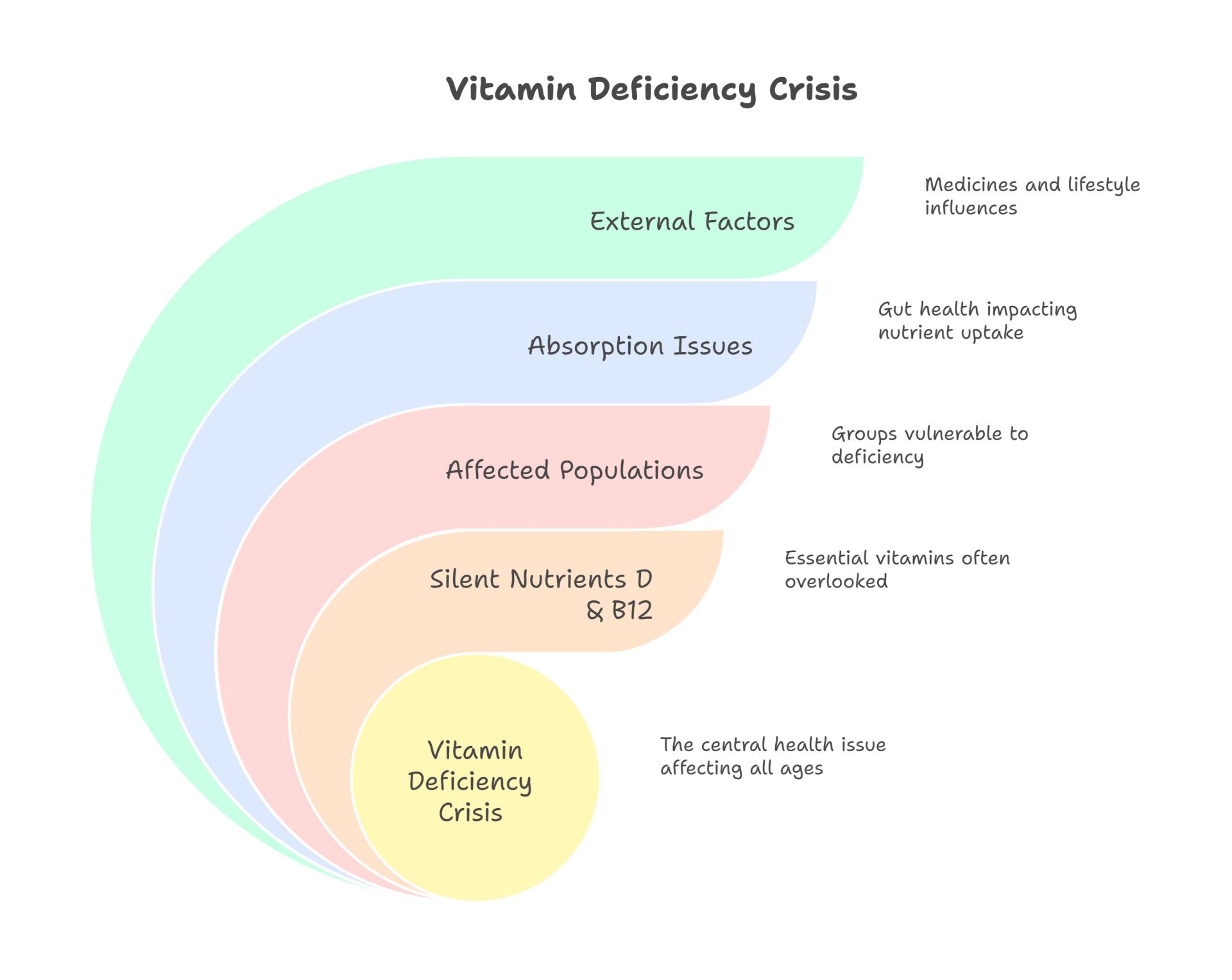
And the truth is — this isn’t just a trend. It’s a quiet health crisis that’s touching children, teens, mothers, working adults, and even elders.

But why? Isn’t the Indian sun enough?

You’d think so. But Vitamin D isn’t just about sun exposure. That’s just where the journey begins.

What many people don’t realize is that after your skin makes Vitamin D from sunlight, it needs to pass through the liver, then the kidneys, and then finally be absorbed and utilized properly by your cells. It’s like a well-rehearsed orchestra — if even one instrument is out of tune, the music doesn’t sound right.

Let me walk you through what I often explain to parents or patients when they ask, “But doctor, I go out in the sun every day. Why am I still low on Vitamin D?”

1. Your Gut Might Not Be Absorbing It Well

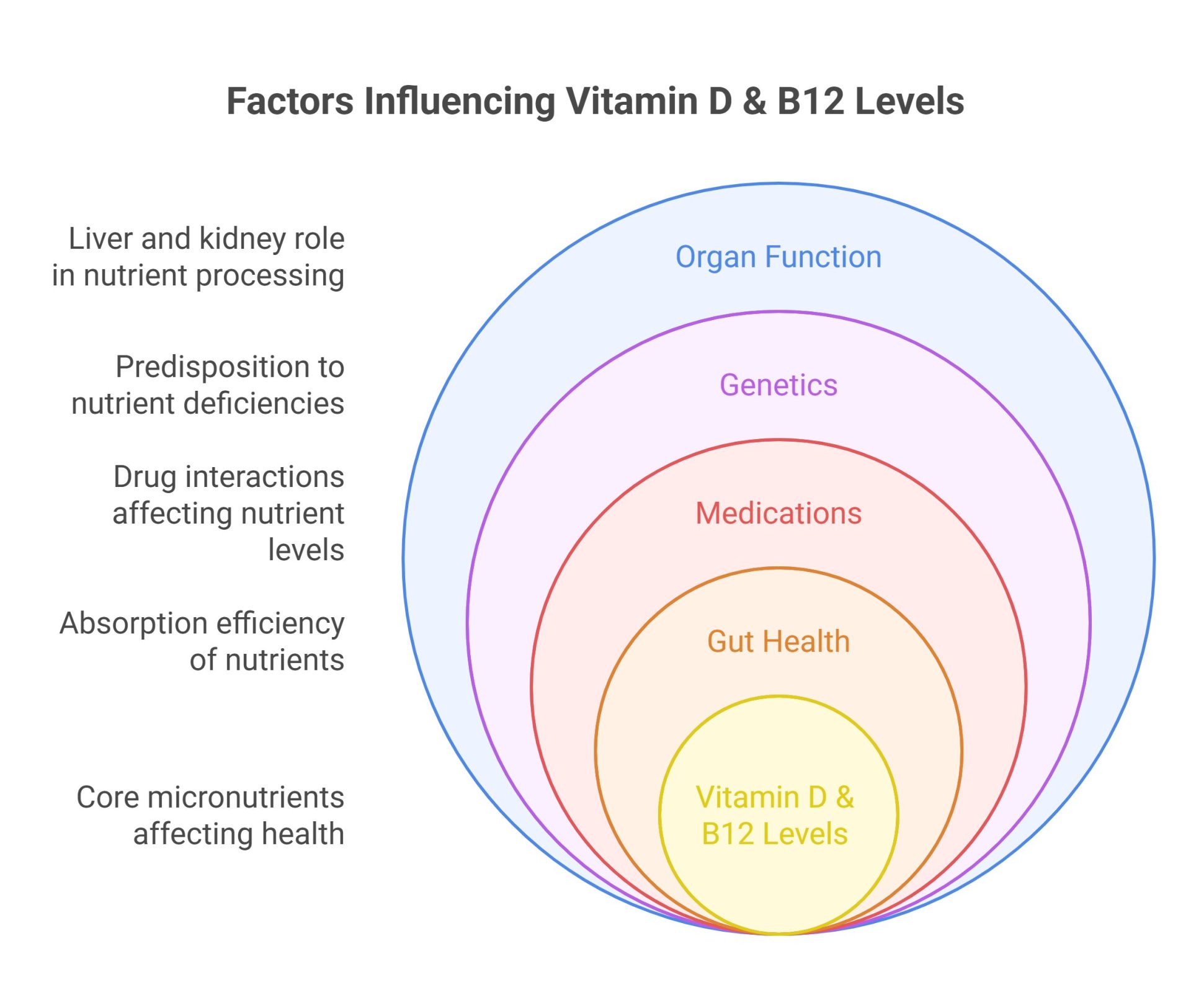
This is a big one. Vitamin D is fat-soluble, meaning it depends on proper fat digestion and a healthy gut lining to be absorbed. So, even if you’re taking a good supplement or eating well, if your gut is inflamed, stressed, or leaky (think undiagnosed IBS, food intolerances, acidity, or chronic constipation), your body simply isn’t getting the benefit.

I remember working with a 10-year-old boy who had recurrent infections and always seemed fatigued. Despite his outdoor play, his Vitamin D and B12 levels were consistently low, and it all traced back to poor gut health.

2. Certain Medicines Quietly Deplete It

We don’t talk enough about how common medications interfere with nutrients. Drugs like corticosteroids, antacids, epilepsy medications, or even weight-loss drugs can reduce Vitamin D absorption or increase its breakdown in the liver. I see this frequently in adults who are managing multiple conditions.

It’s not just about what you take in — it’s also about what your body is forced to excrete or break down faster than it should.

3. Vitamin D Gets Trapped in Body Fat

Yes, trapped! Vitamin D binds to fat cells and gets stored instead of being available for the body to use. That means people with higher body fat percentages — including children with early signs of obesity — might show normal levels but have poor bioavailability.

They often need 2–3 times the usual intake to achieve the same effect. A classic case of “looks fine on paper,” but clinically unwell.

4. The Liver & Kidneys Have More Work Than We Realize

The conversion of sunlight into usable vitamin D involves both the liver and kidneys. So if someone has fatty liver (common even in thin individuals), alcohol consumption, or age-related kidney slowdown, this chain is disrupted. It’s a silent issue, but one I screen for routinely in my practice.

5. Your Genes Might Be Wired Differently

Here’s something fascinating: some of us have genetic variations that affect how well our bodies use Vitamin D. This means that even with good levels, the cells aren’t getting the message.

This is especially important for immunity, mood, and neurological health. It reminds us that health is deeply personal, and sometimes, the standard lab report doesn’t tell the full story.

And what about B12?

Vitamin B12 is another quiet player in energy, memory, nerve health, and mood regulation. I’ve seen teenage girls with anxiety and low focus, new mothers with extreme fatigue, and young children with irritability — all showing low B12 levels despite no obvious risk.

Why?

Because B12 absorption requires something called “intrinsic factor” in the stomach, which gets hampered with age, poor diet, acidity, or gut inflammation, vegans and vegetarians are especially at risk, but even non-vegetarians aren’t immune. It’s not about eating enough — it’s about absorbing sufficient.

So… should we all supplement?

In an ideal world, food and lifestyle would be enough. But today, with depleted soil, long indoor hours, digestive issues, and environmental stressors, a little support goes a long way.

In my practice, I gently incorporate homeopathy to improve gut absorption, reduce inflammation, and enhance the body’s ability to process and utilize nutrients. Combined with the right diet and smart supplementation, it becomes a sustainable, long-term solution.

In Summary:

  • Low Vitamin D & B12 aren’t just due to poor sunlight or poor food.
  • Gut health, medications, genetics, and organ function all play a role.
  • Supplementing isn’t a sign of weakness — it’s a step toward long-term strength.
  • And most importantly, it’s never too early or too late to take charge of your child’s or your micronutrient health.

Embracing a Gentle Path: Homeopathy for Gut and Skin Health in Autism

Introduction:

Autism Spectrum Disorder (ASD) can bring about various challenges like trouble with social interactions and communication. Lately, researchers have been looking into the link between ASD, tummy issues, and heightened sensitivities. Homeopathy, known for its personal touch, is becoming a promising avenue to support children with ASD.

The Gut-Brain Connection:

The “gut-brain axis” is like a two-way street connecting our tummy and brain. For kids with ASD, studies show they might have tummy troubles, hinting at a connection between gut health and ASD.

The intricate relationship between the gut and the brain, often referred to as the “gut-brain axis,” is a fascinating and complex interplay that significantly influences overall health. This communication network operates bidirectionally, meaning that signals travel back and forth between the gut and the brain, impacting various physiological and psychological processes.

In the context of Autism Spectrum Disorder (ASD), researchers have been particularly intrigued by the potential implications of the gut-brain axis. Studies have consistently shown that individuals with ASD often experience gastrointestinal (GI) symptoms or, more colloquially, “tummy troubles.” These symptoms may manifest as issues such as abdominal pain, irregular bowel movements, or digestive discomfort.

The presence of these gastrointestinal symptoms suggests a possible connection between gut health and the manifestation of ASD. The bidirectional communication between the gut and the brain involves intricate pathways, including neural, hormonal, and immunological components. Disruptions or imbalances in these pathways could potentially contribute to both the gastrointestinal symptoms and the characteristic features of ASD.

Understanding and exploring the gut-brain axis in the context of ASD opens up avenues for more targeted and holistic approaches to intervention. It highlights the importance of considering not only the neurological aspects of ASD but also the potential influence of gastrointestinal health on the overall well-being of individuals with ASD. This comprehensive perspective can guide healthcare professionals in developing more tailored and effective strategies to address the diverse challenges associated with ASD.

Leaky Gut and Sensitivities:

Some experts think there’s a link between “leaky gut” (when the gut lining gets a bit too permeable) and ASD symptoms. This might influence sensitivities, like skin problems and sensory issues, through a mix of brain, hormone, and immune factors.

let’s simplify this for a better understanding:

Think of the gut like a barrier, kind of like a protective wall in your child’s tummy. Now, sometimes, this wall can become a bit too permeable, almost like having tiny holes. We call this “leaky gut.” When this happens, things that shouldn’t normally pass through easily can sneak through these tiny holes.

Now, imagine these sneaky things creating a bit of chaos in the body’s team (the brain, hormones, and immune system). This team is usually great at working together, but when the gut is a bit leaky, it can throw things off.

So, what’s the result? This mix-up can sometimes show up in things like skin problems and sensory issues. Picture it as a ripple effect – the leaky gut might send signals that affect how the brain, hormones, and immune factors interact. This can influence how your child reacts to things around them, like certain textures or sounds.

Understanding this link helps us see that by addressing the “leaky gut” and helping the team work together better, we might also see improvements in things like skin and sensory sensitivities. It’s like fixing the wall to create a smoother and more comfortable environment for your child.

Gut Bugs and Homeopathic Help:

Changes in the gut’s tiny organisms, called microbiota, could be linked to ASD. Homeopathy aims to bring balance to the body’s vital force, possibly helping the gut bugs in a good way. Tailored homeopathic remedies can be designed to support each child’s unique needs and address tummy concerns.

Skin Hurdles and Sensory Sensitivities:

Kids with ASD often face sensory challenges, especially with clothes and skin contact. Homeopathy can step in to help with skin issues, considering individual sensitivities and reactions. Natural remedies, gentle and kind, can work alongside other approaches for overall well-being.

Homeopathy’s Personal Touch:

Homeopathy isn’t just about symptoms; it’s about treating the whole person—body, feelings, and thoughts. This way of working aligns perfectly with what each child with ASD needs. Homeopathic practitioners, like myself, look at everything, aiming to get to the root of the challenges.

Meet Dr. Rajeshwari Yadav, a skilled homeopath with almost more than a decade of experience in classical homeopathy. Beyond the basics, she specializes in tailoring unique homeopathic treatments for both children and adults, delving into the complexities of human psychology.

Dr. Rajeshwari earned her degree from Mumbai’s CCMP Medical College, later advancing her skills at the International Academy of Homeopathy in Mumbai and Allen College, England. With a master’s in clinical psychology and significant experience in special child cases at Sion Hospital, she brings a compassionate and well-rounded approach to healthcare.

Her commitment to excellence shines through collaborations with renowned doctors, offering comprehensive services for various health issues. Dr. Rajeshwari’s blend of classical homeopathy and deep psychology knowledge makes her a dedicated and impactful healthcare professional.

Conclusion:

Understanding the link between ASD, gut health, and skin issues can be complex, but homeopathy offers a gentle, personalized approach. As a qualified homeopath with 15 years of experience and additional qualifications in clinical psychology, I’ve had immense experience working with special children. I invite you to consider this path and consult with professionals, like me, who can offer personalized guidance. Bringing a holistic perspective into your child’s care may pave the way for a more tailored approach to meet their unique needs.