Blog

When Do People Turn to Homeopathy

Understanding Mindsets, Myths, and the Missing Links in Awareness

Imagine this:
You’ve been to three specialists.
You’ve spent thousands on tests.
You’ve tried allopathy, Ayurveda, and even Google remedies.
But nothing has really helped.
That’s when the sentence comes:
“Try Homeopathy once…what’s the harm?”

This — for many Indians — is where their homeopathy journey begins. But why so late? Why does it come as a “last resort”? Let’s decode what’s really going on in the minds of the public when it comes to choosing homeopathy — and what needs to change.


When & Why People Opt for Homeopathy 

1. Chronic Disease Fatigue

“I’ve been on this medicine for years, but I’m not cured — I’m just managing.”
This is the classic entry point. Chronic conditions like eczema, PCOS, migraine, thyroid, IBS, anxiety, allergies, etc., push people to seek root-level healing.

2. Fear of Side Effects or Surgery

“Doctor said I need surgery… but I’m scared. Is there a non-invasive option?”
People with gallstones, tonsillitis, fibroids, and nasal polyps often walk into our clinics seeking non-surgical alternatives.

3. For Children – Safe & Gentle Healing

“Allopathy is too strong for my baby.”
Parents are one of the biggest referrers to homeopathy, especially for colds, coughs, behavior issues, immunity boosting, and developmental delays.

4. Failed Results from Other Systems

“I tried everything else. What now?”
This group is tired, frustrated, and emotionally drained. Homeopathy becomes their last hope.

5. Shift Toward Natural, Holistic Lifestyle

“I don’t want chemicals in my body anymore.”
The growing awareness of natural health has brought many educated urban Indians to explore homeopathy alongside yoga, clean eating, and lifestyle medicine.

Why People Delay or Avoid Homeopathy?

Even though India is the birthplace of many alternative systems, homeopathy still faces resistance, mostly due to misconceptions and mindset blocks.

  • Quick-Fix Culture

“Homeopathy is slow, I need fast relief!”
People equate relief with suppression. Homeopathy focuses on healing the root — not masking the symptoms — which takes time but offers long-term benefits.

  • Lack of Awareness

“I don’t know what it treats… is it only for colds and fevers?”
Most people don’t realize homeopathy treats not just disease names, but the person behind the disease.

  • Scientific Doubt

“Is it proven? Is it just a placebo?”
Despite large-scale evidence and institutional research, many people still carry the myth that it’s unscientific, largely due to misinformation and lack of media coverage.

  • Peer & Family Influence

“My family says it doesn’t work.”
Beliefs passed down without real trial or understanding can discourage new patients.

  •  Dominance of Allopathy

“My GP never told me about homeopathy.”
Even for cases where homeopathy can clearly help, people don’t consider it because their primary doctors never mention it, or may even discourage it.


What the Data Says: Homeopathy in India

  • India has the largest number of homeopathy users in the world.
  • As per the Ministry of AYUSH (2023):
    • 233+ homeopathy colleges (UG & PG)
    • Over 2.9 lakh registered homeopathic doctors
    • Nearly 1 crore people opt for homeopathy treatment every day.
  • 58% of users of AYUSH (Ayurveda, Yoga, Homeopathy, etc.) prefer homeopathy, according to a 2021 report.

Despite this, homeopathy gets only 2–3% of the healthcare budget, highlighting a gap in institutional awareness.


Legal Rights of Homeopathic Doctors in India

As per the National Commission for Homeopathy Act, 2020, and CCIM regulations:

  • A registered homeopathic doctor (BHMS/MD) can diagnose, prescribe, and treat independently.
  • Homeopaths cannot prescribe allopathic medicines unless they hold a recognized allopathic qualification (like MBBS).
  • Homeopathy doctors can practice in licensed clinics, prescribe investigations, and issue medical certificates (as per local state laws).
  • A legal and government-recognized system of medicine underthe  AYUSH ministry.

What Patients Gain When They Choose Homeopathy

1.Root-Cause Healing

Not suppression. Not symptom-hopping. True internal correction.

2. Safe for All Ages

Newborns to elders. Pregnant women to sensitive patients.

 3.No Side Effects

No drug dependency, no chemical load.

4. Improved Immunity & Emotional Balance

Often heals emotional layers alongside physical.

5.Better Quality of Life

Especially in chronic diseases, autoimmune conditions, hormonal imbalances, and mental health issues.

6. Cost-Effective Long-Term

Once the patient improves, they don’t need frequent prescriptions or repeated interventions.


 Final Takeaway: Change Begins with Awareness

If you’re reading this and still wondering if homeopathy is for you, ask this:

Are you looking for healing or just relief?

Homeopathy is not an “either/or” system. It works beautifully alongside lifestyle correction, emotional awareness, and even modern diagnostics. It’s time we stop calling it alternative — and start calling it what it is:
A gentle yet powerful system of medicine that respects the whole person.


 So next time, before you give up or give in to fear…

Consider homeopathy — not as a last hope, but as a first step towards total healing.


Bullying, How to Spot It, Stop It, and Heal Your Child with Homeopathy

“Mumma, please don’t send me to school today… my head hurts.”

What if it’s not a fever, but fear?

In India, 42% of school-going children have faced bullying. It’s silent. It’s scarring. And for many children, it becomes a hidden trauma that affects their mood, health, and confidence.

As a parent, how can you recognize the signs of a child’s mental health issues? And how can you help your child heal—emotionally and physically—without resorting to harsh measures?

Let’s explore the impact of bullying, how to spot it, how to respond, and how gentle, constitutional homeopathy can become your child’s emotional rescue tool.

 Quick Facts About Bullying in India

  • 42% of students report being bullied at school (NCPCR)
  • Bullying is more common in middle school (Classes 6–8)
  • Girls experience more emotional bullying; boys experience more physical bullying
  • Cyberbullying is rising among children aged 10–16
  • Verbal abuse, teasing over appearance, caste, or academic performance are common triggers

Why Do Kids Bully?

Before rushing to punish, take a pause and ask—why is this happening?

Bullying is often a symptom, not the root cause.

Your child—or another child—may be bullying because:

  • They feel powerless or ignored at home
  • They’re mimicking aggressive behavior from parents, teachers, or the media
  • They’ve been victims of bullying themselves
  • They’re struggling emotionally and don’t know how to ask for help

Important: Children who bully also need healing, not just punishment. Treating them with compassion opens the door for real change.

Is Your Child Being Bullied? Look for These Signs

Bullying doesn’t always leave bruises. But the emotional signs can be just as painful.

Watch out for these subtle red flags:

  • Sudden refusal to attend school or tuition
  • Repeated complaints of headaches, stomachaches, especially on school days
  • Mood swings, crying spells, or emotional withdrawal
  • Declining interest in friends, hobbies, or social events
  • Sudden changes in screen time—either constant use or complete avoidance
  • Quickly hiding screens or switching tabs
  • Deleted social media accounts or sudden changes in digital behavior

Note: If you notice these signs, listen first. Be calm. Don’t rush to judge or react. Your child needs safety, not solutions.

Types of Bullying in Indian School Contexts

  • Verbal bullying: Teasing over looks, caste, accent, or academic marks
  • Physical bullying: Pushing, slapping, hitting—especially among boys
  • Cyberbullying: Trolling, shaming, leaking photos, or group chat exclusion
  • Social bullying: Isolation, gossip, or turning peer groups against a child
  • Academic bullying: Teachers or peers mocking performance or learning difficulties

How You Can Help: Practical Actions for Indian Parents

At Home:

  • Create a non-judgmental space to talk. Let your child vent.
  • Reassure them: “You didn’t do anything wrong.”
  • Build emotional literacy—help them name their feelings.
  • Role-play safe responses: “Please stop,” or “That’s not okay.”
  • Reinforce self-worth through stories, affirmations, and routine.

At School:

  • Document incidents—dates, names, screenshots.
  • Approach the class teacher, school counselor, or principal.
  • Refer to CBSE/State anti-bullying policies. Schools are now legally required to respond.

In Case of Cyberbullying:

  • Take screenshots, save chat logs, and report abusive posts
  • If needed, file a complaint with your local Cyber Crime Cell under the IT Act
  • Set healthy screen-time routines and reinforce boundaries around sharing personal content

How Homeopathy Can Gently Heal the Emotional Scars of Bullying

Bullying doesn’t just affect the mind—it affects the entire child.

A bullied child may develop:

  • Anxiety, phobias, or panic attacks
  • Bedwetting or frequent illness
  • Sleep disturbances and nightmares
  • Aggression, withdrawal, or poor concentration
  • Gut issues, appetite loss, or hormonal imbalances

This is where constitutional homeopathy works beautifully.

Instead of suppressing symptoms, it:

  • Addresses the deep emotional trauma stored in the body
  • Matches your child’s unique personality, emotions, and physical complaints
  • Calms the nervous system and boosts emotional regulation
  • Restores confidence, sleep, appetite, and overall well-being

Real Healing: A Story from My Practice

A 12-year-old boy came to me with daily headaches and withdrawal from school. Gentle questioning revealed that classmates had mocked him for his stammer. With a carefully selected constitutional remedy, lifestyle tweaks, and emotional coaching, his symptoms resolved. He returned to school with courage and even joined a drama group six months later.

Your Child Deserves to Feel Safe, Seen, and Strong

Bullying can shake a child’s sense of self. But with love, clarity, and holistic support, healing is always possible.

You don’t have to do it alone.

Need Support?

Is your child showing signs of stress, withdrawal, or frequent illness?
You don’t have to wait for it to get worse.

Let’s gently uncover what’s beneath the surface—and start healing from the inside out.


Is My Teen Ready for the Gym? A Wellness Guide for Growing Bodies & Curious Minds

Gym at 12? Muscle at 13?

“He’s only 13, but already lifting weights heavier than his school bag,” a worried mom told me. “Is that okay?”

Today’s teens are growing up in a gym-and-Instagram world. And parents are right to ask—is it safe?

Recently, a few bright and energetic boys and girls walked into our clinic with a common request: “Can we join the gym?” One wanted to gain muscle. Another wanted to shed weight. A third said, “I just want to get strong.” Their enthusiasm was heartwarming—but also a cue for deeper reflection.

As a parent and holistic doctor, I knew it was time to address this, not with a strict yes or no, but with clarity, science, and compassion.

Why This Question Matters

Adolescence (12–16 years) is a time of rapid physical, emotional, and hormonal change. The bones, brain, and hormonal systems are still developing.

While movement is essential, not all gym workouts are appropriate at this stage.

Safe Benefits of Exercise for Teens

Physical:

  • Improved cardiovascular health
  • Better posture and flexibility
  • Healthy weight regulation
  • Stronger bones and muscles (via bodyweight and light resistance)

Mental & Emotional:

  • Reduced anxiety and stress
  • Increased confidence
  • Better sleep quality
  • Enhanced focus and memory

Social:

  • Team spirit from group workouts
  • Communication and leadership skills
  • Emotional regulation

What Can Go Wrong If Done Too Early or Wrongly

1. Skeletal Risks

  • Growth plates are still open; heavy lifting can damage them.
  • Compression may affect spine and joint development.

2. Hormonal Disruptions

  • Excessive training may disturb puberty timing.
  • Girls may experience delayed periods; boys may feel frustrated due to slower gains.

3. Psychological Impact

  • Body dissatisfaction
  • Obsession with looks
  • Burnout or withdrawal from activity

4. Injury Risk

  • Poor form = higher risk of strains, sprains, fractures
  • Unsupervised workouts greatly increase injury risk

The Hidden Risk: Bigorexia

What is Bigorexia?

Bigorexia, or muscle dysmorphia, is a condition where teens (especially boys) feel they’re never muscular enough.

Why Teens Are at Risk

It often hides behind “motivation”—but can lead to anxiety, perfectionism, low self-esteem, and disordered eating. Social media and gym culture exacerbate this issue by promoting unrealistic body ideals.

How to Spot It Early

  • Constant body-checking or mirror time
  • “I look small” or “I need to bulk up,” despite being fit
  • Restrictive high-protein diets
  • Skipping social events for workouts
  • Obsession with influencers or physique comparisons

What Parents Can Do

  • Start early conversations – Talk about strength, health, and purpose over looks.
  • Model balance – Exercise for joy and energy, not appearance.
  • Watch behavior shifts – In food, sleep, and gym habits.
  • Guide social media use – Highlight unrealistic portrayals.
  • Seek expert help – Consult pediatricians or holistic experts if concerns arise.

👉 Need help designing a safe fitness path for your child? Book a consultation.

When to Start Gym Training?

There’s no single magic number. But general guidance:

Age What’s Safe
11–12 Bodyweight training (squats, planks, pushups)
13–14 Light resistance with bands or light dumbbells (supervised)
15–16 Structured gym workouts with machines (supervised and post-skeletal maturity)

Puberty onset and readiness vary—always consult your child’s healthcare provider.

Teen-Safe Fitness Plan (12–16 years)

Do:

  • Bodyweight training: squats, lunges, planks
  • Aerobic activities: cycling, swimming, skipping
  • Flexibility: yoga, stretching
  • Balance: games, agility drills

Avoid:

  • Heavy weights
  • Machines designed for adults
  • CrossFit/powerlifting styles
  • High-impact, unsupervised training

Key Guidelines for Parents

  1. Choose Kid-Friendly Gyms
    • Look for teen programs
    • Coaches should have pediatric fitness experience
  2. Ensure Supervision
    • Personal trainers for form and progression
  3. Keep Balance
    • Mix gym with dance, sports, or martial arts
    • Ensure rest and fun
  4. Support Nutrition
    • Teens need fuel, not fad diets
  5. Monitor Red Flags
    • Fatigue, mood swings, body obsession, rapid weight shifts

Hey Teens, This Part is for You

If you’re thinking about the gym, here’s what you need to remember:

  • You don’t need heavy weights to get strong
  • Master balance, form, and breath first
  • Focus on stamina, movement, and fun
  • Strength is about consistency, not perfection
  • Your body is growing beautifully—don’t rush it

Wellness Tracker for Teens 

Track your:

Area What to Track Example Entry
Movement Type & duration of physical activity 30 min cycling, 20 push-ups
Emotions Mood & emotional triggers Irritated after school, happy
Nutrition Meals, snacks, and hydration 3 meals + 2 fruits, 8 glasses of H2O
Sleep & Rest Duration, quality, rest days Slept 8 hrs, rested on Sunday

 Click here to download your FREE Wellness Tracker PDF

Let’s raise strong, happy, balanced children—not just from the outside, but from within.

The gym can be a wonderful part of your child’s life—if approached with care, timing, and guidance.

Have doubts about readiness? Let’s plan a personalized wellness journey for your teen.


Tired of Spit-Ups and Sleepless Nights? Try This Gentle Approach to GERD

Healing the Root, Not Just the Acid Reflux: A Homeopathic Approach to GERD in Children

“Doctor, my baby keeps spitting up… almost after every feed.”

The worry in the mother’s voice was unmistakable. Her 4-month-old son had been diagnosed with reflux. Despite changing formulas and elevating the mattress, things were only slightly better. He cried after feeds, refused to sleep on his back, and seemed to be in constant discomfort.

This wasn’t just a spit-up phase. This was GERD — and it was affecting both the baby’s well-being and the parents’ peace of mind.

They wanted more than temporary relief.
They wanted healing.

And that’s exactly what homeopathy can offer — when we approach it constitutionally.

What Is GERD, and Why Is It More Than Just Tummy Trouble?

GERD (Gastroesophageal Reflux Disease) occurs when food or stomach acid frequently flows back into the esophagus. In infants and children, this may show up as:

  • Repeated spit-ups or vomiting
  • Arching of the back after feeds
  • Crying or irritability during and after meals
  • Refusing to feed or wanting to feed constantly
  • Poor sleep or restlessness
  • Chronic cough, hiccups, or wheezing

While some amount of reflux can be normal in babies, persistent or painful symptoms should not be ignored.

But here’s what’s often overlooked — reflux is not just a stomach issue.
It’s often a sign of immaturity in the digestive system, inflammation, or a deeper imbalance in the body’s ability to process and regulate.

What Makes Homeopathy Different?

In conventional medicine, the focus is on reducing acid or suppressing symptoms. While this may bring temporary relief, it doesn’t address why the child is sensitive in the first place.

Homeopathy, especially the constitutional approach, goes deeper.

We don’t just treat “reflux.” We treat your child as a whole.

We look at:

  • Their physical symptoms, of course — vomiting, colic, feeding issues
  • But also their temperament — are they clingy or independent? Restless or sleepy?
  • Their birth history — was it a C-section? Was there early antibiotic exposure?
  • Their food cravings, fears, sensitivities, and developmental patterns

This full picture helps us choose a remedy that matches your child’s constitution, not just their diagnosis.

And when the remedy is right, the shift can be remarkable.

A Story That Always Stays With Me

I once treated a 6-month-old girl who had been through everything — different formulas, gripe water, reflux medications, even sleep training. She vomited at least 5–6 times a day, screamed during feeds, and barely napped.

The parents were exhausted and on the verge of giving up on natural options.

After a detailed case-taking, I selected a remedy that matched her exact symptom pattern and emotional nature. Within a week, her vomiting had reduced by 50%. By the end of three weeks, she was feeding calmly, sleeping in longer stretches, and most importantly, smiling more.

Her gut healed, her family healed.

That’s the power of treating the root.

Lifestyle & Feeding Guidance: What Helps Alongside Homeopathy

While the remedy works at a deeper level, simple supportive changes can help the body heal faster and more comfortably:

For Infants:

  • Keep the baby upright after feeding for at least 20–30 minutes
  • Smaller, more frequent feeds reduce stomach overload
  • Burp well between and after feeds to reduce pressure
  • Avoid tight diapers or clothes around the abdomen
  • Mother’s diet (if breastfeeding) may need to avoid dairy or acidic foods temporarily

For Older Children:

  • Avoid trigger foods: chocolate, tomato-based foods, fried or spicy items
  • Encourage slow eating, smaller portions, and avoiding meals right before sleep
  • Support gut health with fruits, soft-cooked vegetables, and gentle hydration
  • Monitor emotional triggers — stress and anxiety often worsen reflux

A Holistic Plan in Action

When we combine:

  • The precision of constitutional homeopathy
  • The power of gut-focused nutrition
  • And the awareness that comes from parental tracking and observation

…healing becomes not only possible — it becomes lasting.

Your Next Steps: Track, Understand, Heal

To help you begin this healing journey with confidence, I’ve created a Free Printable Gut Tracker just for parents like you.

  • Track symptoms, stools, feeding patterns, and moods
  • Spot hidden triggers
  •  Observe subtle signs of improvement
  •  Bring clarity to your homeopathy consult

 Download Your Free Gut Tracker 

 Let’s Work Together

If your child is struggling with reflux or digestive discomfort, and you’re looking for a gentle, natural, and deeply individualized approach, I invite you to consult with me.

I’ll help you understand your child’s unique system and guide you with:

  • Homeopathic support
  • Lifestyle coaching
  • Emotional wellness tools (if needed)
  • Nutritional direction that aligns with their development

Because your child’s tummy deserves more than temporary fixes.
It deserves healing from the root.

Book Your Consultation Today

Let’s start this journey of healing together.

Childhood Acid Reflux: Causes, Symptoms & Natural Relief

Does your baby keep spitting up after feeding? Or is your older child constantly complaining of “burning” in the chest or sour burps in the mouth?

You’re not alone.

Gastroesophageal reflux (GER), commonly called reflux or acid reflux, is one of the most frequent reasons parents visit pediatricians and even get referred to pediatric gastroenterologists. But before you jump to medicines or panic about the diagnosis, let’s pause, understand the why behind it, and explore how gentle, natural, and holistic approaches — including homeopathy — can make a meaningful difference.

What Exactly Is Reflux (GER) and When Does It Become GERD?

Reflux happens when contents from the stomach move back up into the food pipe (esophagus). This can happen with or without vomiting and is common, especially in infants. In fact, spitting up can be entirely normal up to 6 months of age — a part of their developing gut function.

However, if reflux comes with troublesome symptoms — like persistent irritability, frequent vomiting, feeding refusal, poor weight gain, or even coughing and wheezing — we may be looking at Gastroesophageal Reflux Disease (GERD).

Symptoms to Watch at Different Ages

In infants, GERD may look like:

  • Repeated spitting or vomiting
  • Arching of the back while feeding
  • Irritability or crying during feeds
  • Poor weight gain
  • Refusal to feed

In older children and teens, it may appear as:

  • Complaints of chest or upper abdominal pain
  • A sour or acidic taste in the mouth
  • Nausea
  • Difficulty swallowing
  • A feeling of food “stuck” in the throat

Why Does Reflux Happen?

In babies, the muscle valve at the base of the esophagus (lower esophageal sphincter) is still maturing. That’s why reflux is common early on.

In older children, other culprits like trigger foods (chocolates, spicy food, aerated drinks), certain medications, obesity, or even stress may play a role.

And occasionally, anatomical or systemic issues may underlie persistent symptoms, which is why a good clinical history and examination are vital.

Modern Medicine’s Current Approach

Based on 2018 pediatric GI guidelines from North America and Europe, there’s a clear shift:

Less medicine. More lifestyle and dietary modification first.

For infants:

  • Trial of hypoallergenic formula (or maternal elimination diet for breastfed babies)
  • Smaller, more frequent feeds
  • Proper positioning during and after feeding
  • Thickening of the formula in selected cases

For children:

  • Identifying and avoiding trigger foods
  • Limiting acid-suppressive medications to only when necessary
  • Short, monitored trial (4–8 weeks) of medication if lifestyle changes don’t help

But Here’s the Deeper Question: WHY Is Your Child’s System So Sensitive in the First Place?

As a holistic pediatrician, this is the question I ask every parent, not just what to suppress, but why the body is reacting in this way.

Reflux is often a sign of gut imbalance, inflammation, emotional stress, or developmental immaturity of the digestive tract.

The Holistic + Homeopathic Way: A Personalized Healing Plan

In my clinic, we take a layered and comprehensive approach to healing reflux, integrating:

A Gentle, Whole-Child Approach with Homeopathy

In homeopathy, we don’t just look at reflux as a digestive issue — we see it as a signal from the child’s entire system. The constitutional approach considers your child’s unique physical symptoms, temperament, sensitivities, and developmental history to find a remedy that supports their healing process. It’s not about suppressing symptoms; it’s about helping your child’s body restore balance naturally, leading to lasting relief and better overall health.

We don’t just suppress symptoms — we work at the root level.

Gut-Healing Diet & Nutrition Support

  • For older kids, we help parents slowly identify reflux-triggering foods and introduce gut-friendly, anti-inflammatory meals.
  • For babies, a mother’s diet (if breastfeeding) can play a big role.
  • Natural options like plant-based digestive enzymes, probiotics, and herbal gut calmers may also be used safely under guidance.

Lifestyle & Feeding Practices

We coach parents on:

  • Proper burping and upright feeding positions
  • Managing feeding intervals and volumes
  • Sleep positioning (like left-side down lying when appropriate)

Mind-Body Connection

Sometimes, reflux in children — especially in older ones — has a strong emotional link. Stress, fear, school anxiety, or even sibling jealousy can manifest as stomach discomfort or “burning.”

We use gentle child counseling tools, EFT tapping, or family emotional work when required, because the gut and brain are deeply connected.

A Real Story That Still Moves Me

I remember treating a 5-month-old baby girl who was constantly vomiting after every feed. Her mother was exhausted. After ruling out red flags and helping her transition to an elimination diet, we started a carefully selected homeopathic remedy tailored to the baby’s unique nature. Within 2 weeks, the vomiting reduced by 70%. In a month, she was feeding peacefully, gaining weight, and smiling more.

That’s the kind of change that reminds me why I do what I do.

So, Should You Worry? Or Wait?

If your child’s reflux is occasional and mild, it’s likely developmental and will pass with time and a little support.

But if it’s affecting feeding, sleep, growth, or your child’s comfort, don’t ignore it. And don’t rush to suppress it either.

Explore what’s underneath.
Heal the gut.
Balance the emotions.
Support the body gently.

I’d love to guide you through this healing journey.
If your baby or child is struggling with reflux, and you’re seeking a natural, scientific, and truly holistic plan, we can work together.

 Book a Gut-Health Consultation
 Download our Free “Tummy Tracker” for Parents (Coming soon!)

Is It IBS? Understanding Irritable Bowel Syndrome in Children

Have you noticed your child complaining of stomach pain that comes and goes, sometimes with constipation, sometimes with loose motions? Do they say they feel better after passing stools? You might wonder, “Is this just something they ate, or something more?” In many such cases, the answer could be Irritable Bowel Syndrome, or IBS.

What Is IBS in Children?

Irritable Bowel Syndrome is a functional gastrointestinal disorder. That means the structure of the digestive tract is normal, but how it works is not. It’s a condition where your child’s gut becomes overly sensitive or reactive, leading to recurring symptoms.

Children with IBS:

  • Complaint of abdominal pain for at least 8 weeks over the past year
  • Often feel better after a bowel movement
  • Experience pain with changes in the form or frequency of stools
  • May have constipation, diarrhea, or both
  • Often describe bloating, mucus in the stool, or urgency to go

IBS is not dangerous, but it can cause significant distress and impact your child’s everyday life, school, play, appetite, and mood.

Why Does It Happen?

IBS is believed to be the result of a miscommunication between the brain and the gut. Factors that contribute include:

  • Sensitive gut nerves reacting to normal digestion as pain
  • Stress or anxiety, which can amplify gut signals
  • Food intolerances, like excess sugar or dairy
  • A history of gut infections
  • Genetic tendency—it may run in families

In simpler terms, your child’s digestive system is like a car alarm that goes off too easily—even a light breeze (a normal meal, a little gas) can trigger it.

How Is IBS Different from Other Conditions?

Unlike inflammatory bowel disease (IBD) or celiac disease, IBS does not involve tissue damage, inflammation, or malabsorption. That’s why blood tests and scans are often normal.

But IBS is real. The pain and discomfort are genuine, and your child needs support, not dismissal.

Red Flags: When It Might Not Be IBS

It’s important to rule out more serious problems. See your doctor if your child also has:

  • Weight loss or poor growth
  • Blood in stool or urine
  • Persistent vomiting
  • Fever, rash, or joint pain
  • Extreme tiredness between episodes
  • Family history of IBD or celiac disease.


How Is IBS Diagnosed?

Diagnosis is usually clinical, based on a detailed history and symptom pattern. There’s no single test for IBS, but your child’s doctor might order:

  • Blood tests (to rule out anemia, infection, and  inflammation)
  • Stool tests (to check for infections or parasites)
  • Ultrasound (to rule out organ issues)

Most tests are done to exclude other causes of abdominal pain.

How Can I Help My Child With IBS?

1. Diet Changes

Some simple dietary changes can work wonders:

  • Increase fiber intake gradually (age in years + 5 grams/day)
  • Avoid fermentable sugars like fructose (fruit juice, soda, chewing gum)
  • Try a short trial of a dairy-free diet if lactose intolerance is suspected
  • Keep a food and symptom diary to identify triggers

2. Manage Stress

School pressure, family changes, or even excitement can trigger symptoms. Helping your child manage stress is a key part of IBS care.

Helpful practices include:

  • Breathing exercises
  • Relaxation techniques
  • Journaling or drawing feelings
  • Regular routines for sleep and meals

Some children may benefit from seeing a pediatric psychologist, especially if they show signs of anxiety or low mood.

Should My Child Stay Home From School?

Only if they’re vomiting or have a fever. Otherwise, school attendance is encouraged. Staying home for too long increases anxiety and worsens symptoms. If needed, the school can offer short rest breaks when pain flares.

The Good News

IBS can feel overwhelming, but with the right care, most children learn to manage it well. Symptoms often reduce significantly over time, especially when there’s understanding, support, and consistent routines at home.

Takeaway for Parents

Your child’s tummy pain is not “in their head,” and they’re not just trying to avoid school or food. IBS is a real condition, but also a manageable one. By addressing gut sensitivity, stress, and diet, you can help your child feel like themselves again.

If you feel stuck or unsure where to begin, know that you’re not alone. At Holistic Parenting Tribe, we combine homeopathy, gut care, and lifestyle support to gently bring balance back to your child’s life.

Homeopathy for IBS: A Gentle Reset for the Gut and Mind

Many parents come to me after trying everything—diet changes, tests, even medications—but their child’s tummy troubles continue. That’s where homeopathy brings in its quiet magic.

Unlike conventional approaches that suppress symptoms, homeopathy works by identifying the root emotional and physical patterns that make your child’s gut so reactive.

It’s not just “what” the child eats, but how they process life experiences that matters.


Real Story: A Mother’s Relief and a Child’s Turnaround

I once saw an 8-year-old girl, Aarohi, who had been struggling for nearly a year. Her mornings began with an urgency to use the bathroom—sometimes three or four times before school. Her parents had done every test possible. All were normal.

But she had stopped eating her favorite foods. She was terrified to go to birthday parties. Her once-cheerful energy had dulled. Her mother told me, “Every time she smiles, I’m scared it will turn into a stomach ache.”

During our consultation, I discovered that Aarohi was a perfectionist—worried about school marks, scared to make mistakes. Her IBS wasn’t just from food—it was tied to deep anticipatory anxiety.

I gave her a personalized homeopathic remedy based on her unique emotional and physical makeup.

Within two weeks, the early-morning bathroom runs reduced. Her appetite returned. Over two months, her confidence and calmness grew—and so did her smile.

Her gut healed because her nervous system healed. That’s the power of well-matched homeopathy.

 How Homeopathy Works for IBS

  • It calms hypersensitive gut nerves
  • It reduces anxiety and emotional reactivity
  • It supports digestion, absorption, and elimination naturally
  • It strengthens your child’s resilience from the inside out

Each remedy is tailored to your child’s story, not just their symptoms.

If your child’s tummy seems to carry the weight of their world, homeopathy can be the gentle switch that helps their system reset.


Why Does My Child’s Stomach Always Hurt?

Understanding Functional Abdominal Pain in Children

Your child clutches their tummy again, wincing. Maybe it’s just after breakfast… or right before school. You’ve been to the doctor, done the tests—everything comes back “normal.” But your child’s pain is real. It’s frequent, unpredictable, and starting to affect their daily life.
If you’re feeling helpless, confused, or even doubting yourself, you are not alone.

Many children experience Functional Abdominal Pain (FAP), a common yet often misunderstood condition where a child has recurring stomach pain without any visible medical cause. No ulcers, no infections, no inflammation—yet the discomfort is genuine and sometimes intense.

So what’s going on?

In children with FAP, the gut becomes overly sensitive. Normal digestion, mild gas, or even emotional stress can trigger cramping or pain. Think of the gut as a balloon—if squeezed too tightly or stretched too far, it hurts. For some kids, even a gentle squeeze is too much. Their pain threshold is lower, and their nervous system is just more reactive.

This blog will help you understand:

  • Why your child’s pain is not imaginary

  • What symptoms to watch for

  • How emotions and stress influence the gut

  • When to worry—and when to relax

  • How you can help your child feel better, naturally and holistically

Let’s break the cycle of frustration and fear—and give your child the comfort, clarity, and care they deserve.

What Exactly Is Functional Abdominal Pain?

Functional Abdominal Pain (FAP) is a condition where the child experiences chronic or recurrent belly pain, but no medical test finds anything physically wrong. No ulcers. No infections. No inflammation. And yet, the pain is there, often centered around the belly button.

This is not “just in their head.”
It’s a real, recognized condition. The pain arises from how the nervous system and digestive tract communicate.

In simple terms:

  • The gut has its network of nerves, often called the “second brain.”

  • In children with FAP, these gut nerves become extra sensitive.

  • Normal digestion or emotional stress can cause the gut to overreact, sending strong pain signals to the brain, even when nothing is medically wrong.

And just like some kids get headaches from stress or excitement, others get stomach aches.

What Does It Look Like in Real Life?

Children with FAP often:

  • Complaint of stomach pain that comes and goes unpredictably

  • Say the pain isn’t tied to eating or using the toilet

  • Point to the pain around the belly button

  • Appear otherwise well in between episodes

  • Sometimes experience nausea, bloating, or feeling full easily

This pain can disrupt:

  • Sleep

  • School attendance

  • Playtime

  • Eating habits

  • Emotional wellbeing

It may seem mild some days and unbearable on others. And often, there’s no clear trigger. A fun birthday party or school test could bring on a flare. That’s because emotions and gut sensitivity are deeply connected.

Why Emotional Stress Makes It Worse

Did you know your child’s gut is wired to their emotional brain?

Stressful or exciting events—exams, social worries, even sleepovers—can cause the gut to contract more forcefully or send amplified pain signals.

So while your child may not have a stomach “disease,” their nervous system is amplifying pain, and that’s very real.

When Should You Worry? Red Flags Every Parent Must Know

While functional abdominal pain is common and usually not dangerous, there are times when stomach pain can signal something more serious. Here are the red flags to watch for:

Contact your doctor if your child has:

  • Unexplained weight loss or isn’t growing normally

  • Bloody diarrhea

  • Persistent vomiting

  • Blood in the urine or pain while peeing

  • Fever, rash, chills, or joint pain

  • Low energy between pain episodes

  • A family history of IBD or celiac disease

These symptoms may point to conditions like inflammatory bowel disease, celiac disease, or organ issues, which need specific medical treatment.

How Is Functional Abdominal Pain Diagnosed?

There’s no single test to diagnose FAP. Your doctor uses a combination of:

  • Symptom history

  • Growth patterns

  • Physical examination

 If needed, tests may include:

  • Blood work (to rule out anemia, inflammation)

  • Urine tests (for infection or kidney issues)

  • Stool tests (for blood or parasites)

  • Ultrasound (to view abdominal organs)

In most children with FAP, all these tests come back normal. That’s a good sign—it rules out serious illness and allows us to focus on supporting gut sensitivity gently.

How Can You Help Your Child Feel Better? A Holistic Healing Approach

Once serious causes are ruled out, managing Functional Abdominal Pain is all about supporting your child’s sensitive gut and nervous system—gently, consistently, and holistically.

1. Diet Therapy: Healing Through the Plate

  • Avoid fermentable sugars like fruit juice, soda, candy, gum (which ferment in the gut and cause gas)

  • Try a dairy-free week to check for lactose intolerance

  •  Increase fiber intake (age in years + 5 grams/day)

  •  Skip fizzy and caffeinated drinks

  • Use a food diary to track patterns

2. Emotional Support: Calming the Gut-Brain Axis

  • Reassure your child that their pain is real, but manageable

  • Teach breathing exercises or guided relaxation

  • Stick to routines (sleep, meals, screen time)

  • Consider mind-body therapy or counseling if stress is high

3. Homeopathy: Gentle, Individualized Healing

Homeopathy offers a natural, side-effect-free way to:

  • Calm gut sensitivity

  • Balance emotions

  • Improve resilience

A few commonly used remedies:

  • Colocynthis – for pain relieved by pressure

  • Lycopodium – for gassy, anxious children

  • Pulsatilla – for clingy, emotionally sensitive kids

  • Nux vomica – for irritable children with diet-related pain

The best results come with individualized prescribing based on your child’s overall constitution and emotional pattern.

The Takeaway: You’re Not Imagining It, and Neither Is Your Child

If your child keeps saying, “My tummy hurts,” and tests don’t give you answers, you may feel stuck. But you’re not alone.

Functional abdominal pain is the body’s way of asking for balance between food, emotions, and nervous system sensitivity. With small, thoughtful changes in diet, routine, and emotional support—and gentle, holistic care—most children bounce back beautifully.

  •  You don’t have to wait for the pain to “just go away.”
  •  And you don’t need to manage it all on your own.

Let’s Help Your Child Heal—Gently and Naturally

At Holistic Parenting Tribe, we use a blend of homeopathy, gut support, and lifestyle healing to restore your child’s well-being from the inside out.

👉 Book a personalized gut-health consult for your child today.
Let’s explore the root cause, ease their discomfort, and help them thrive.

8 Daily Tips to Calm Your Hyperactive Child

After reading my earlier blog on recognizing the signs of hyperactivity, many parents ask:
“Okay, but what can I do to help my child every day?”
And the answer is—a lot.

Parenting a hyperactive child is not about controlling their energy. It’s about learning how to channel it with calm, clarity, and care.

Let’s explore the small yet powerful shifts you can make at home to help your child feel more grounded, understood, and successful.

1. Create Predictable, Visual Routines

Hyperactive children thrive on rhythm. Their nervous systems crave structure, even if they resist it at times.

  •  Use visual schedules with pictures or drawings.
  •   Create predictable sequences: Wake → Brush → Dress → Eat → School.
  •   Use timers or songs for transitions. (“After this song ends, it’s time to clean up.”)

When children know what’s coming next, it reduces internal chaos, and behavior often improves naturally.

2. Build Calm Spaces in Their Day

Your child’s world often feels loud, fast, and overwhelming—even when they don’t show it.

You can help by designing moments of calm:

  • A quiet nook with books, soft pillows, and dim lighting
  • Gentle music or nature sounds
  • Sensory play, like clay, sand, water, or kneading dough
  • Coloring mandalas, finger painting, or stringing beads

These aren’t just fun—they’re therapeutic tools that regulate the nervous system and help the child “reset.”

In homeopathy, we often notice that children calm significantly when their sensory environment matches their constitutional needs—whether it’s needing warmth, silence, touch, or rhythm. These details also guide remedy selection.

3. Observe Triggers and Patterns (Start a Daily Log)

Every child has a unique behavioral rhythm.
Some get restless before meals. Others unravel after screen time or post-school fatigue.

Keep a simple daily tracker for a week. Note:

  • Times of peak restlessness
  • Food or sleep patterns
  • Triggers (noise, crowds, transitions)
  • Moments of calm (music, physical touch, bath time)

Once you see the pattern, you can plan instead of reacting.

Bonus Tip: You can use our [Gut-Behavior Tracker] to easily map this connection—many parents find surprising clues here, especially around food, mood, and attention.

4. Praise Progress, Not Just Perfection

Hyperactive children are often corrected constantly: “Sit down.” “Stop that.” “Pay attention.”

Over time, this chips away at their confidence. Instead:

  •  Catch them doing something right.
  •  Celebrate small wins: “I love how you sat quietly for 5 minutes!”
  • Use reward charts not as bribes, but as visual reinforcement.

Positive attention teaches faster than criticism.
And emotionally, these children bloom under encouragement.

In homeopathic case-taking, noticing a child’s emotional response to praise, failure, criticism, or pressure gives deep clues about their temperament—and helps match them with the most effective remedy.

5. Nourish the Body-Brain Connection

Some children are sensitive to what goes into their bodies, even when tests are normal.

Try these daily shifts:

  • Balanced meals with steady protein and fiber
  • Regular hydration (many children drink far less than needed)
  • Reduce artificial colors, junk snacks, and sugary drinks
  • Avoid screen time an hour before sleep

You don’t need to restrict everything, just observe, rotate, and tune in.

6. Consider Gentle Homeopathic Support

Homeopathy doesn’t aim to suppress energy, but to balance it from within.

When chosen correctly, remedies support:

  • Emotional self-regulation
  • Restful sleep
  • Reduced impulsivity
  • Better sensory tolerance
  • Smoother transitions

In my clinic, I combine behavioral tracking, developmental screening, and constitutional prescribing to support the child holistically.

Prioritize Sleep and Soothing Bedtime Rituals

Winding down is hard for hyperactive children, but essential.

Try this bedtime rhythm:

  • Warm bath with lavender
  •  Story time with soft lighting
  •  Comfort object or favorite blanket
  • Room darkening and quiet
  • Consistent bedtime (even on weekends)

Avoid overstimulation close to bedtime—TV, fights, or even loud laughter can delay sleep.

Many children show marked improvement with homeopathic sleep support, especially when paired with calming evening rituals.

8. Seek Help Early—Not Out of Fear, But Wisdom

Sometimes, despite your best efforts, things still feel overwhelming.
Your child might be struggling in school, socially, or emotionally.

This is not a failure—it’s a signal to bring in expert guidance.

In our Holistic Parenting Tribe clinic, we offer:

  • Developmental assessments for early detection
  • Personalized homeopathy for long-term regulation
  • Parent support sessions to help you respond, not react
  • Diet and lifestyle roadmaps based on your child’s rhythm

When we work together, we don’t “fix” the child—we free their potential.

In Closing: You Have More Power Than You Think

Every small step you take—observing a pattern, changing a bedtime ritual, choosing empathy over urgency—builds a calmer world for your child.

Hyperactivity isn’t the end of ease and joy in parenting. It’s just a different path—one that, when walked with insight and intention, can be deeply rewarding.

If you’d like personalized support, I invite you to:

 [Book a consultation with me]
 [Download the Gut-Behavior PDF]
 

Let’s raise children who feel seen, safe, and supported in their fullest, brightest selves.

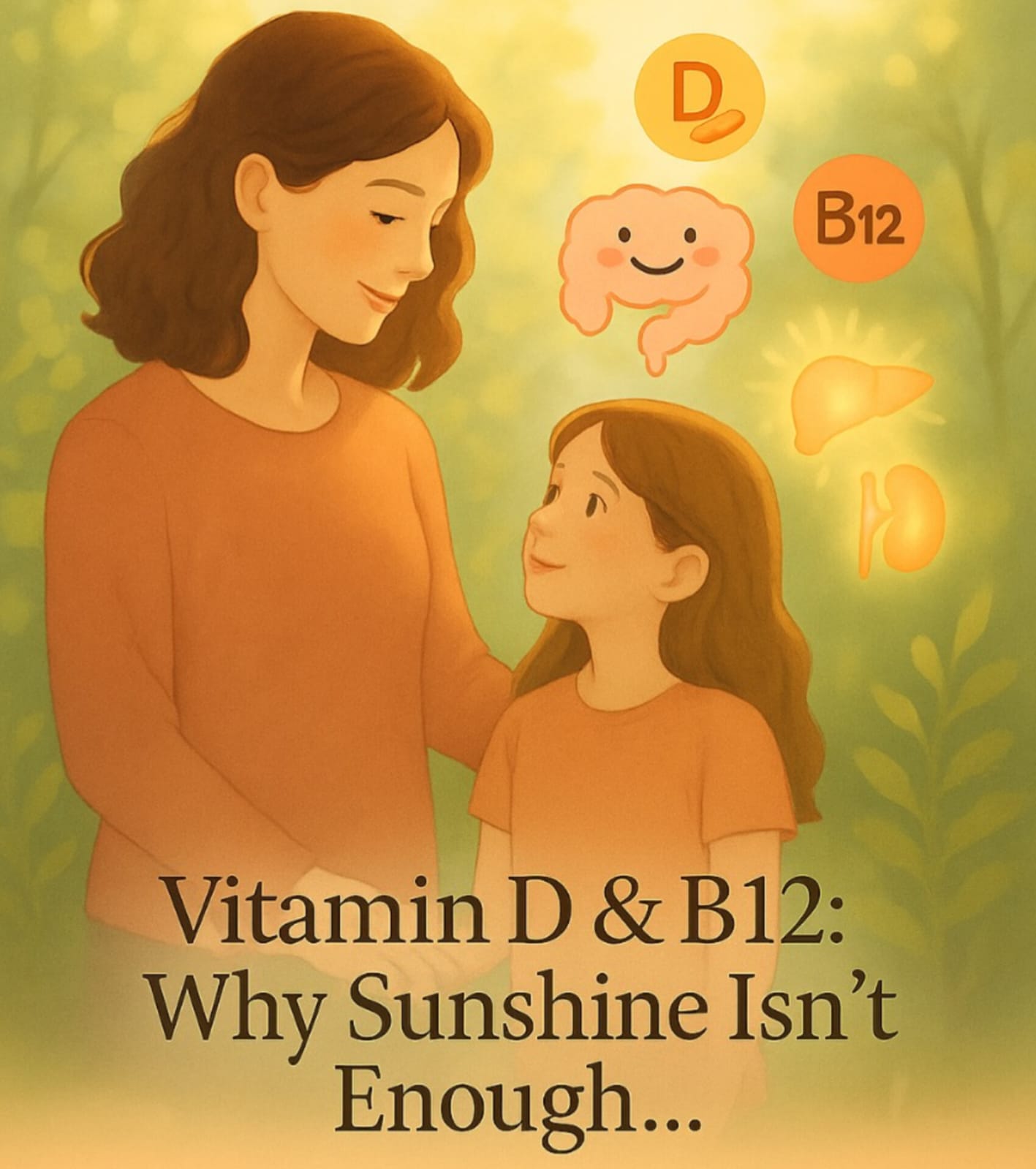
Low on Energy? It Could Be a Vitamin You’re Missing

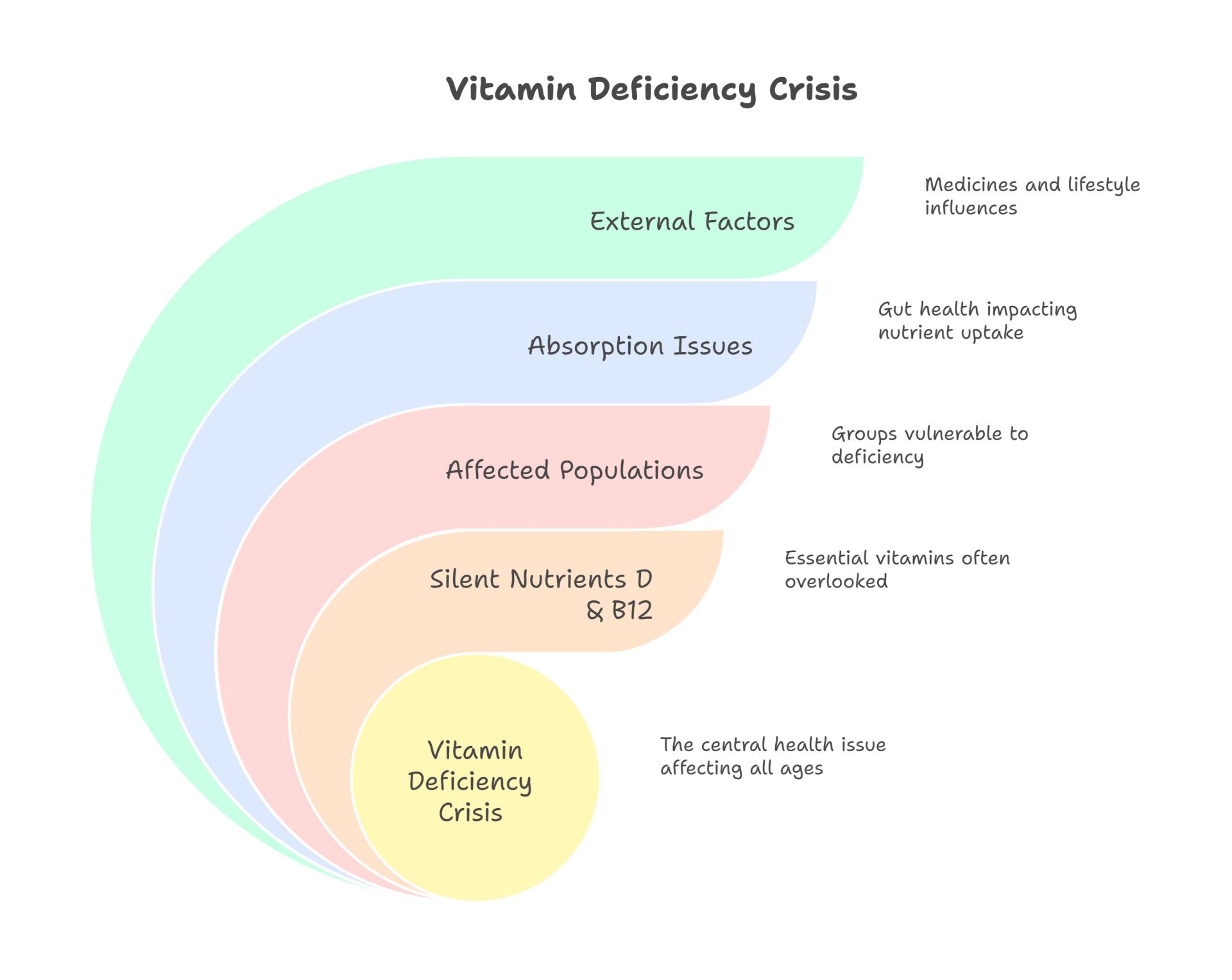
When I first started practicing, I used to believe that with a little sunshine and a decent diet, our bodies could manage most things on their own, especially when it came to essential vitamins like D and B12. But over the years, in clinic after clinic, test report after test report, I noticed a trend I could no longer ignore: even the healthiest-looking individuals were low in these two silent nutrients.

And the truth is — this isn’t just a trend. It’s a quiet health crisis that’s touching children, teens, mothers, working adults, and even elders.

But why? Isn’t the Indian sun enough?

You’d think so. But Vitamin D isn’t just about sun exposure. That’s just where the journey begins.

What many people don’t realize is that after your skin makes Vitamin D from sunlight, it needs to pass through the liver, then the kidneys, and then finally be absorbed and utilized properly by your cells. It’s like a well-rehearsed orchestra — if even one instrument is out of tune, the music doesn’t sound right.

Let me walk you through what I often explain to parents or patients when they ask, “But doctor, I go out in the sun every day. Why am I still low on Vitamin D?”

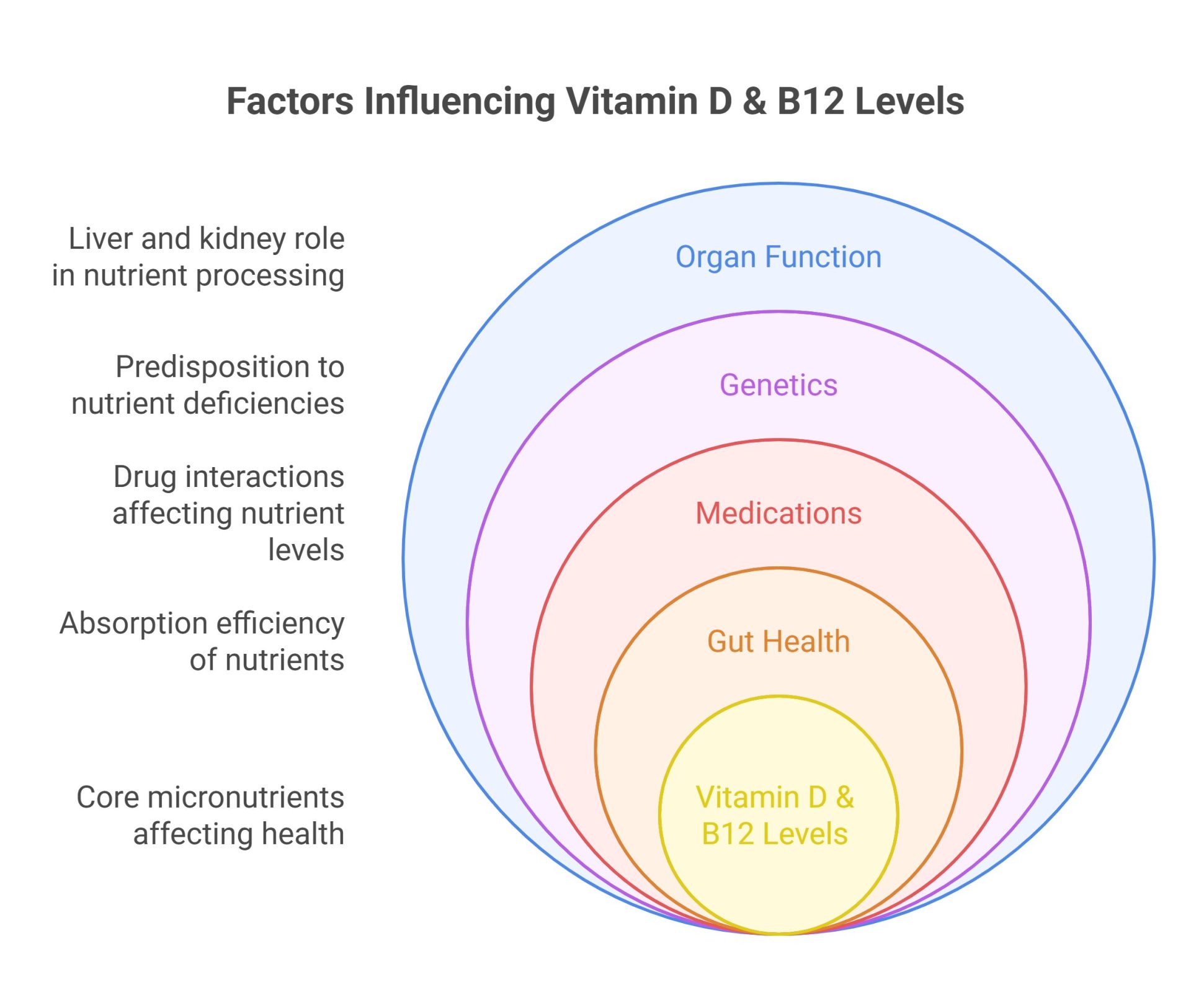
1. Your Gut Might Not Be Absorbing It Well

This is a big one. Vitamin D is fat-soluble, meaning it depends on proper fat digestion and a healthy gut lining to be absorbed. So, even if you’re taking a good supplement or eating well, if your gut is inflamed, stressed, or leaky (think undiagnosed IBS, food intolerances, acidity, or chronic constipation), your body simply isn’t getting the benefit.

I remember working with a 10-year-old boy who had recurrent infections and always seemed fatigued. Despite his outdoor play, his Vitamin D and B12 levels were consistently low, and it all traced back to poor gut health.

2. Certain Medicines Quietly Deplete It

We don’t talk enough about how common medications interfere with nutrients. Drugs like corticosteroids, antacids, epilepsy medications, or even weight-loss drugs can reduce Vitamin D absorption or increase its breakdown in the liver. I see this frequently in adults who are managing multiple conditions.

It’s not just about what you take in — it’s also about what your body is forced to excrete or break down faster than it should.

3. Vitamin D Gets Trapped in Body Fat

Yes, trapped! Vitamin D binds to fat cells and gets stored instead of being available for the body to use. That means people with higher body fat percentages — including children with early signs of obesity — might show normal levels but have poor bioavailability.

They often need 2–3 times the usual intake to achieve the same effect. A classic case of “looks fine on paper,” but clinically unwell.

4. The Liver & Kidneys Have More Work Than We Realize

The conversion of sunlight into usable vitamin D involves both the liver and kidneys. So if someone has fatty liver (common even in thin individuals), alcohol consumption, or age-related kidney slowdown, this chain is disrupted. It’s a silent issue, but one I screen for routinely in my practice.

5. Your Genes Might Be Wired Differently

Here’s something fascinating: some of us have genetic variations that affect how well our bodies use Vitamin D. This means that even with good levels, the cells aren’t getting the message.

This is especially important for immunity, mood, and neurological health. It reminds us that health is deeply personal, and sometimes, the standard lab report doesn’t tell the full story.

And what about B12?

Vitamin B12 is another quiet player in energy, memory, nerve health, and mood regulation. I’ve seen teenage girls with anxiety and low focus, new mothers with extreme fatigue, and young children with irritability — all showing low B12 levels despite no obvious risk.

Why?

Because B12 absorption requires something called “intrinsic factor” in the stomach, which gets hampered with age, poor diet, acidity, or gut inflammation, vegans and vegetarians are especially at risk, but even non-vegetarians aren’t immune. It’s not about eating enough — it’s about absorbing sufficient.

So… should we all supplement?

In an ideal world, food and lifestyle would be enough. But today, with depleted soil, long indoor hours, digestive issues, and environmental stressors, a little support goes a long way.

In my practice, I gently incorporate homeopathy to improve gut absorption, reduce inflammation, and enhance the body’s ability to process and utilize nutrients. Combined with the right diet and smart supplementation, it becomes a sustainable, long-term solution.

In Summary:

  • Low Vitamin D & B12 aren’t just due to poor sunlight or poor food.
  • Gut health, medications, genetics, and organ function all play a role.
  • Supplementing isn’t a sign of weakness — it’s a step toward long-term strength.
  • And most importantly, it’s never too early or too late to take charge of your child’s or your micronutrient health.

Is My Child Just Energetic—Or Hyperactive? 7 Signs Parents Shouldn’t Ignore

“He’s always on the move—even at bedtime.”
“My daughter talks non-stop, even when no one’s listening.”
“My child just cannot sit still—school is becoming a challenge.”

As a parent, you may have had these thoughts cross your mind. Some days, your child feels like a whirlwind of energy—and while it can be delightful at times, it can also leave you concerned, even overwhelmed.

So, how do you know if your child is just full of life, or showing signs of something more, like hyperactivity?

Let’s explore this together—with compassion, clarity, and care.

What Hyperactivity Looks Like (And When to Pay Attention)

It’s normal for young children to be active, restless, and curious. But in some children, this energy goes beyond the usual bounce and buzz of childhood.

Here are signs often noticed by parents and teachers:

  • Constant fidgeting or squirming, even when they should be still

  • Struggling to remain seated, often getting up or climbing

  • Seeming always on the go, rarely seeming tired

  • Talking excessively, interrupting conversations, and blurting answers

  • Difficulty engaging in quiet play or focused tasks

These signs aren’t just occasional bursts of energy—they appear consistently across different settings: home, school, outings, and even during rest periods.

One key clue is that typical children can wind down with a little guidance. Hyperactive children can’t, or struggle to.

But Why Is My Child So Restless?

This is the question most parents ask. And it’s a powerful one.

The truth is: hyperactivity is not caused by parenting mistakes, sugar intake, or being “naughty.”

Here’s what science tells us:

Brain Wiring and Genetics
Many hyperactive children have underlying differences in the brain areas that regulate attention, movement, and impulse control. These aren’t flaws—just variations. Often, there’s a family history of similar traits, even if undiagnosed.

Prenatal and Early Life Factors
Premature birth, stress during pregnancy, certain environmental exposures, or birth complications may influence early brain development.

Lifestyle and Environmental Aggravators
Lack of routine, poor sleep, chaotic surroundings, overstimulation, and excessive screen time can worsen restlessness, but they don’t cause it. Instead, they highlight the child’s sensitivity to rhythm and structure.

Gut Health and Nutrition
Some children may show gut-behavior links—certain food additives, preservatives, or sensitivities (like dairy or gluten) may aggravate restlessness or impulsivity.

This is where a holistic approach, including homeopathy, can be valuable.

Where Homeopathy Fits In: A Gentle, Whole-Child Approach

In my clinical practice, I often meet children who don’t just need a diagnosis—they need to be understood.

Homeopathy works by observing the child deeply, not just their symptoms, but their unique personality, sleep, cravings, fears, sensitivities, and developmental history.

A hyperactive child might:

  • Sleep restlessly, waking often

  • Show intense emotions that shift quickly

  • Crave certain foods or reject many

  • Be sensitive to noise, light, or temperature

  • Seems fearless or overly reactive

Each of these details helps us select a personalized remedy that supports the nervous system gently, helping reduce restlessness, improve emotional regulation, and restore balance.

Homeopathy doesn’t sedate or suppress. Instead, it supports the child’s own healing mechanisms—when combined with lifestyle support, nutrition, and structured routines, it becomes a powerful tool in the parenting journey.

So… Should I Be Worried?

Not necessarily. But awareness is important.

If your child’s restlessness creates problems at school or home, interferes with sleep, learning, or friendships, or is intense and persistent across months, it’s wise to explore further. Early guidance—not labels—can make a big difference.

A professional evaluation may include:

  • Feedback from parents and teachers

  • Observations across settings

  • Screening tools like the DSM-5 criteria

  • Ruling out other factors like anxiety, sensory issues, or autism

The goal isn’t to fix your child, but to understand them better and to offer them the right support.

You Don’t Have to Do This Alone

As a holistic developmental doctor and a parent myself, I’ve walked this road with many families. And here’s what I’ve learned:

You are not to blame.
Your child is not broken.
Support exists—and it works.

In our clinic, we offer:

  • Developmental screenings

  • Homeopathic consultations

  • Parent guidance sessions

  • Gut-behavior symptom tracking

  • Diet and routine planning

Together, we create a safe, non-judgmental space to explore your child’s behavior with depth and compassion.

In Closing: Watch, Don’t Worry—And Reach Out If Needed

Every child is unique. Not every active child is hyperactive. But if you feel something’s “off,” trust that inner voice—it’s not panic, it’s parenting intuition.

Observe. Reflect. And when needed, ask for help.

Because with the right approach—gentle yet informed, structured yet loving—your child can blossom in ways you never imagined.

Would you like to book a developmental screening or know if homeopathy might suit your child?
Click here to schedule a consultation or download our free Gut-Behavior Tracker.

Let’s decode the clues your child is giving you—together.

Wondering if your child’s behavior needs a deeper look, or just some gentle support?

Let’s talk.

Book a personalized online consultation with me and get clarity on whether your child’s hyperactivity is part of typical development or if they need early intervention, routine changes, or holistic support like homeopathy.

This is a safe, no-judgment space for parents who want real answers and kind guidance.

[Book Your Online Consultation Now]
And let’s take the first step—together.